


















A new report from the Pentagon’s own inspector general has revealed that the ongoing war with Iran has caused significant shortfalls in U.S. munitions and created critical bottlenecks in the resupply chain. This independent finding directly contradicts claims made by President Donald Trump, who has insisted that American ammunition supplies are virtually unlimited and dismissed reports of shortages as fake news. According to the watchdog, the U.S. spent over 22 billion dollars on munitions between February and June alone, resulting in what it termed strategic inventory shortfalls.
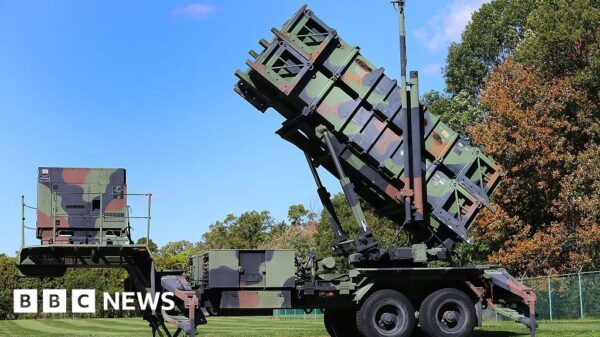
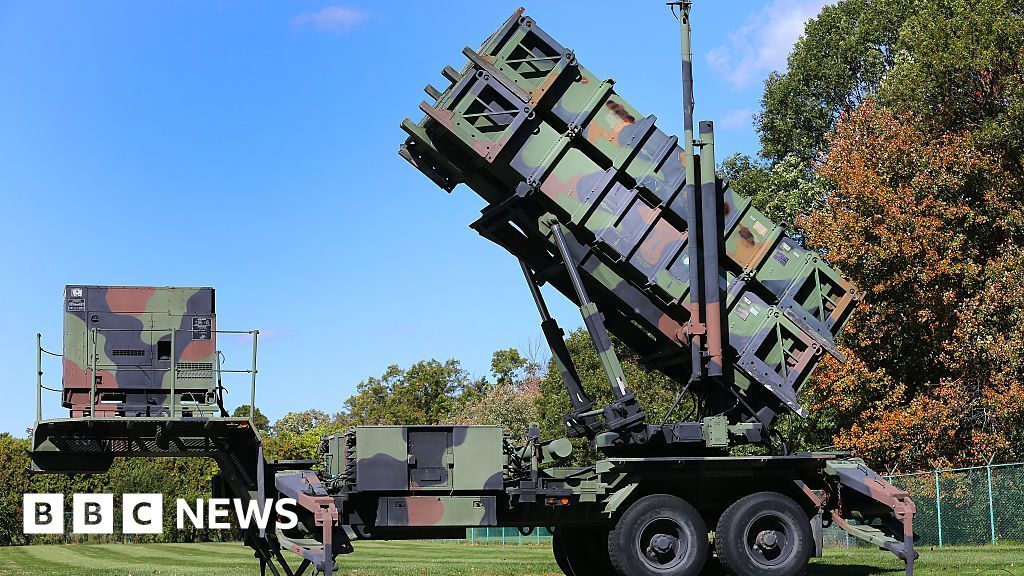
While the specific number of remaining weapons remains classified, the report highlights a heavy reliance on long range ground attack systems and air defense missiles to counter Iranian attacks. Independent estimates from the Center for Strategic and International Studies suggest that stocks of key interceptors, including Patriot and THAAD missiles, may have been depleted by more than half. To combat these deficits, the Department of Defense is reportedly attempting to streamline its procurement processes and reduce production lead times to ensure they can respond quickly to future contingencies.
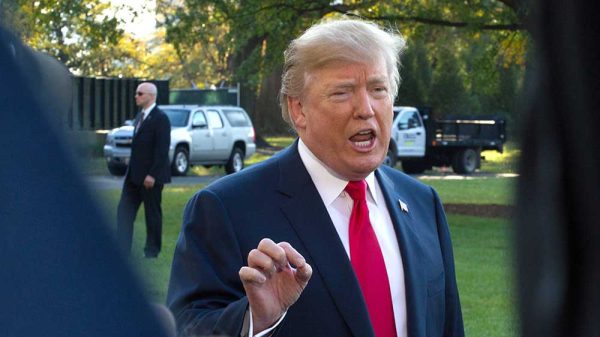
Despite these warnings, the White House continues to reject the assessment. Spokeswoman Anna Kelly stated that the military possesses more than enough stockpiles to meet all strategic goals, while Defense Secretary Pete Hegseth characterized reporting on the shortages as untrue. These assertions come amid staggering financial costs associated with the conflict; overall spending reached roughly 33.4 billion dollars during a four month window, though a separate estimate from the Congressional Budget Office puts the total cost even higher at 38 billion dollars when accounting for fuel and aircraft flight hours.
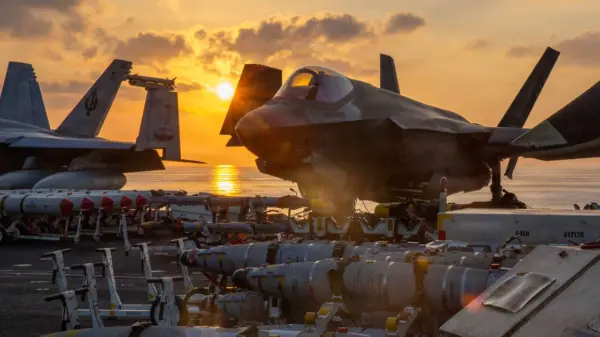
Beyond ammunition, the physical toll of the war includes billions in equipment losses, featuring several high value assets like an F-35 Joint Strike Fighter, four F-15e jets, and dozens of MQ-9 drones. As President Trump suggests the conflict could persist past the upcoming November midterm elections, public support appears to be waning. Recent polling indicates that only a small fraction of Americans believe the United States is in a stronger position relative to Iran than it was before hostilities began.