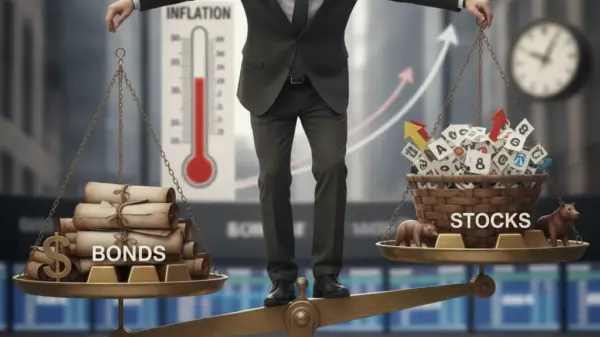























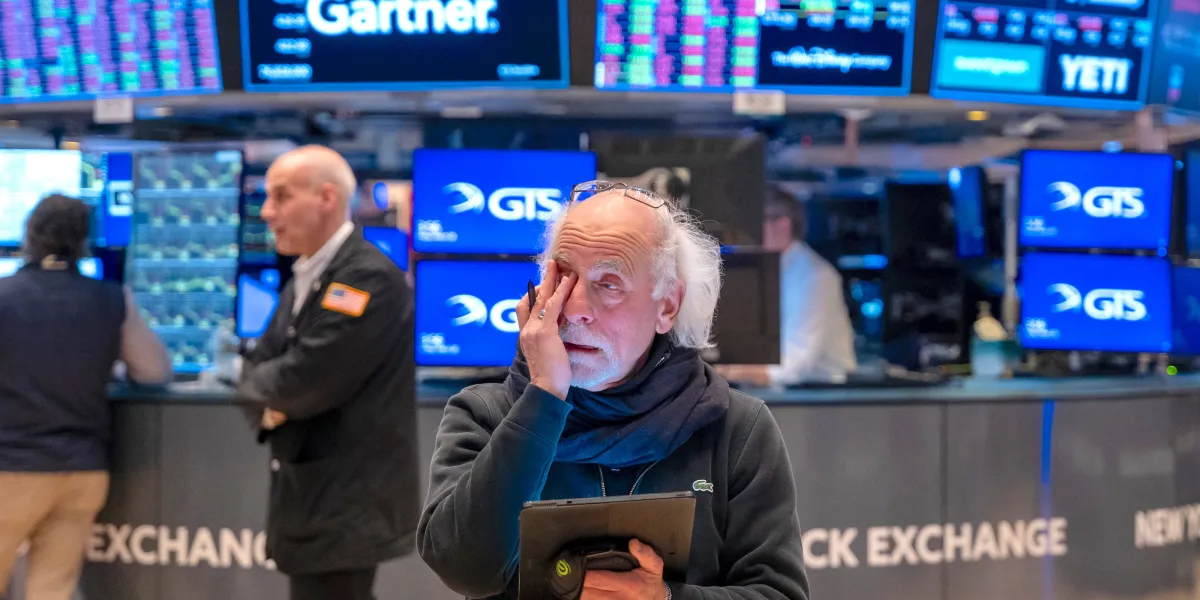
Global equity markets are sliding into a deep selloff as investors grapple with a volatile combination of geopolitical strife and shifting dynamics in the bond market. Stock indices across North America, Europe, and Asia saw widespread declines this week, reflecting growing anxiety that U.S. government debt is entering a riskier phase. With the 10 year Treasury yield climbing past 5 percent for the first time since 2023, financial analysts are warning that we have entered a new era of instability where traditional safe havens may no longer provide the security they once did.
Much of this turmoil is being traced back to the escalating conflict between the United States and Iran, which has already cost taxpayers over 33 billion dollars. Beyond the human and structural toll reported by the Pentagon, the war has pushed Brent crude oil prices above 100 dollars per barrel. This surge in energy costs is refueling domestic inflation and heightening expectations that prices will continue to climb, forcing investors to demand higher risk premiums on long dated bonds to protect their returns from being eroded by rising costs.
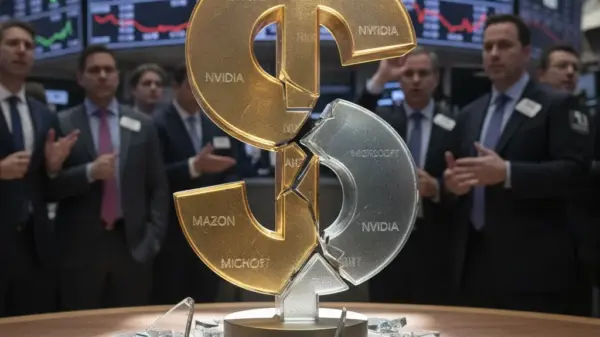
Wall Street observers fear these conditions create a dangerous feedback loop for the broader economy. Persistent inflation puts immense pressure on the Federal Reserve to maintain or even increase interest rates to tighten the money supply. For corporations, particularly those heavily invested in the current artificial intelligence boom, higher borrowing costs could prove devastating. Analysts suggest that if treasury yields breach certain thresholds, it could choke off the massive capital expenditures required to build data centers, potentially triggering a sharp correction in tech stocks.
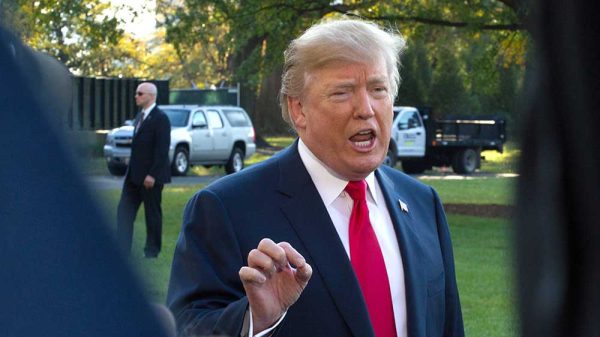
Despite these warnings, political rhetoric remains defiant. President Trump recently highlighted a surge in elite weapons production and dismissed concerns regarding defense spending, suggesting that Iran is eager to reach a deal quickly. However, economists remain divided on how to handle the fallout. While some call for tighter monetary policy to combat inflation, others argue that raising rates now would be a mistake given that many of these inflationary pressures are temporary shocks rather than systemic failures. For now, global traders remain on edge as they wait to see if this shift in bond market psychology marks a permanent change in global finance.