






















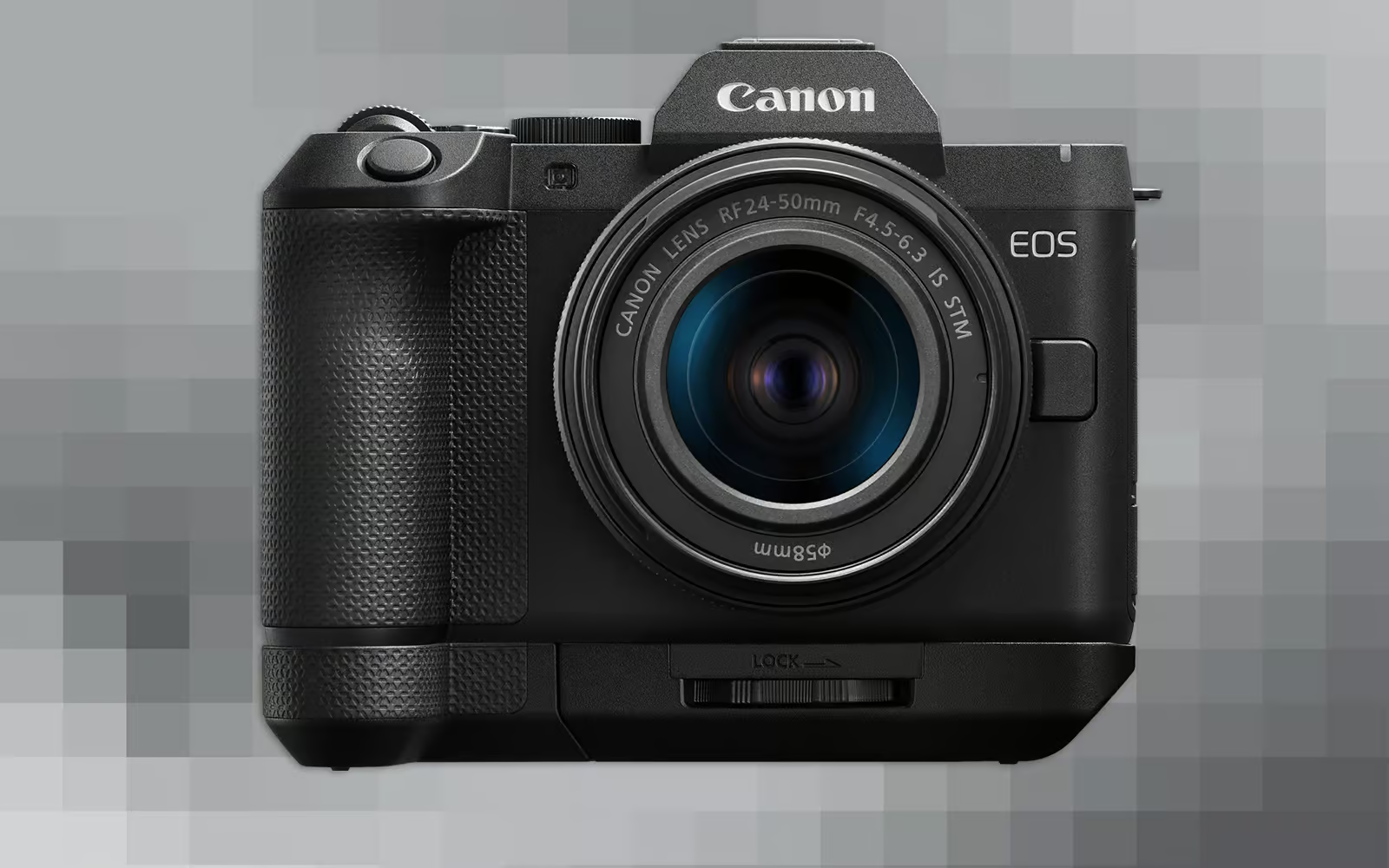
Canon has officially pulled back the curtain on the EOS R8 Mark II, presenting a ground up redesign of its predecessor that aims to balance high end performance with extreme portability. While the new design language has already sparked a divide among enthusiasts, the hardware specifications suggest Canon is targeting the everyday shooter who refuses to compromise on quality. Priced at 1,899 dollars for the body alone, the camera positions itself as a powerhouse for those who need a reliable full frame setup without the bulk of a professional flagship.
The most significant upgrades come in the form of features that were sorely missed in previous entry level models. The inclusion of five axis in body image stabilization is perhaps the biggest win, making it the lightest camera in the entire EOS lineup to offer this capability. Alongside a refined 24.2 megapixel sensor, users now have access to pre continuous recording and a much needed multi controller joystick for quicker focus point adjustments. These additions move the R8 Mark II beyond being just a budget option and turn it into a legitimate tool for versatile street and travel photography.
While some might wonder if this replaces higher tier models like the R5 Mark II or R1, Canon seems clear about where this device fits. This isn’t meant to be an ergonomic masterpiece designed for grueling sports assignments or wildlife expeditions, but rather a compact companion that stays with the photographer at all times. Its lightweight profile makes it an ideal match for small prime lenses or balanced zooms, offering professional grade autofocus including people priority detection in a package that won’t weigh down a shoulder during long days of exploration.
Industry observers have noted that the shift in aesthetics feels reminiscent of trends seen with Sony and Fujifilm, suggesting Canon may be responding to market data showing a preference for more streamlined body designs. Regardless of whether critics love the new look, early impressions indicate that Canon has hit it out of the park regarding value and utility. By packing pro level specs into such a portable chassis, Canon is likely to see massive adoption from hobbyists and content creators looking for their first serious leap into full frame imaging.