




















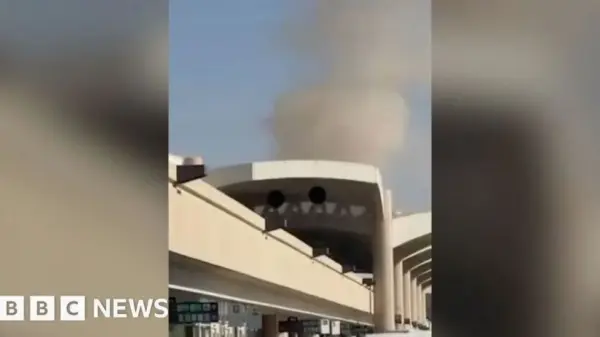

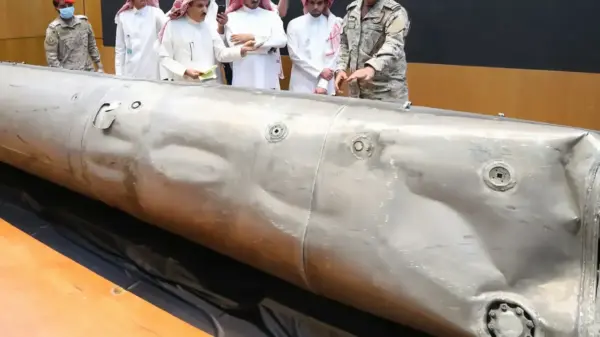

Tensions reached a new peak on Tuesday evening as the Saudi led coalition announced it had successfully intercepted and destroyed a Houthi drone headed toward Mecca. According to spokesperson Turki al Maliki, the Royal Saudi Air Defence Forces neutralized the hostile aircraft before it could enter restricted airspace over Islam’s holiest city. The incident triggered a rare security alert in Mecca, along with warnings issued for Jeddah and Taif, marking the first time such an alarm has sounded in the holy city since 2017. While the alerts were lifted within minutes, the event underscores a volatile escalation in a long standing regional conflict.
Coalition officials condemned the attack as a calculated attempt to terrorize civilians and worshippers, stating emphatically that the safety of pilgrims and the two holy mosques represents a red line that cannot be crossed. In response, Houthi military sources spoke to Yemens SABA news agency to categorically deny any intention of targeting Mecca or other sacred Islamic sites, dismissing the accusations as misinformation. Despite these denials, Riyadh maintains that the rebel group continues to launch dangerous strikes against both civilian and economic targets throughout the kingdom.
This recent surge in violence signals a breakdown of stability following a UN brokered truce in April 2022. Hostilities have ramped up significantly since July, coinciding with Houthi blockades on shipping and increased control over strategic coastal nodes near Bab al Mandeb. With reports of injuries in several Saudi cities earlier this week, including Khamis Mushait and Abha, Saudi Arabia has vowed to respond firmly to these incursions.
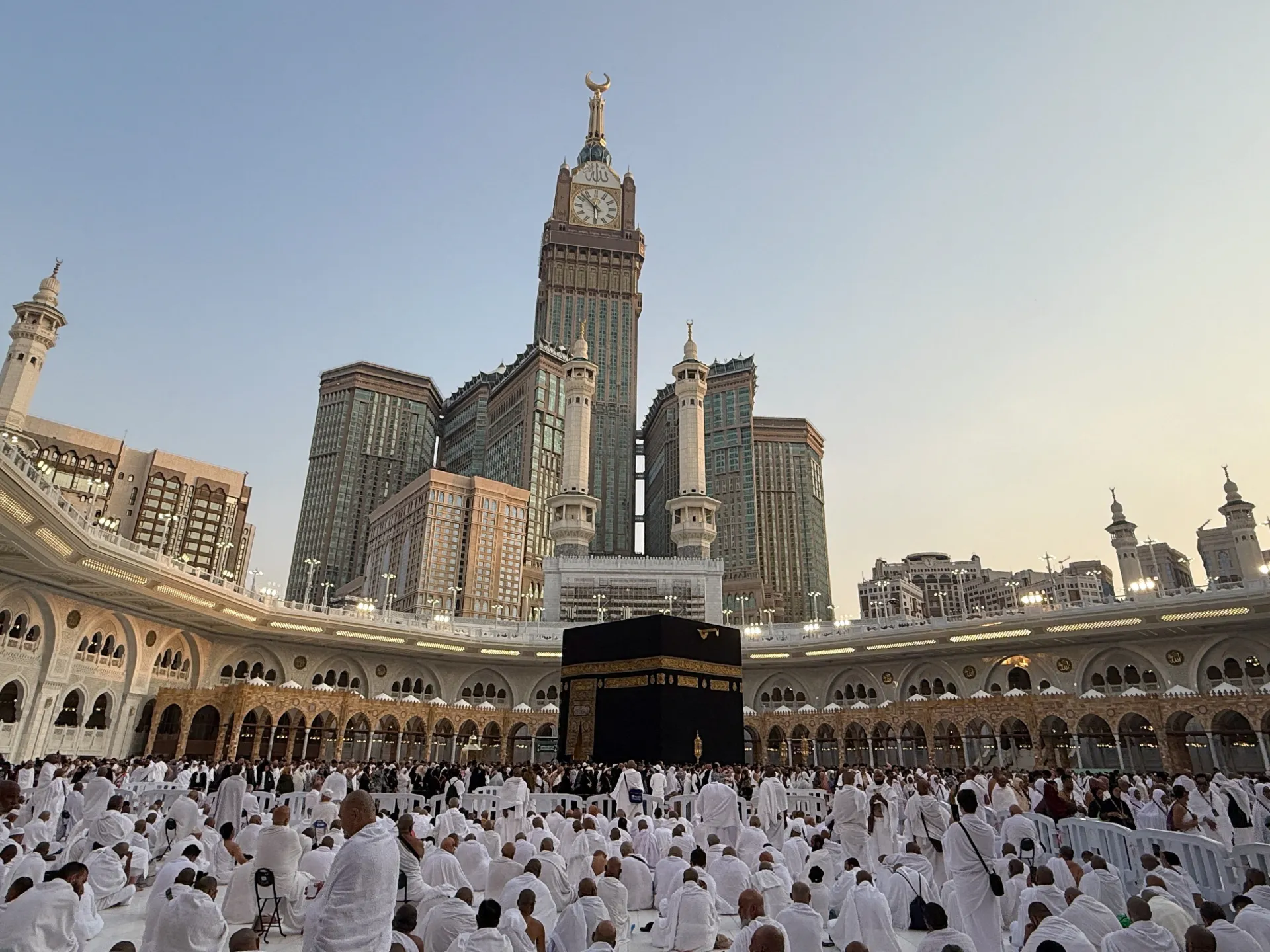
The significance of an alert in Mecca cannot be overstated given its role as the spiritual center for billions of Muslims worldwide. Home to the Kaaba, the city hosts millions of visitors annually for both the mandatory Hajj and optional Umrah pilgrimages. As Saudi Arabia manages massive crowds of faithful travelers throughout the year, there are growing concerns about whether continued instability and aerial threats will eventually impact the accessibility or safety of these essential religious journeys.