






















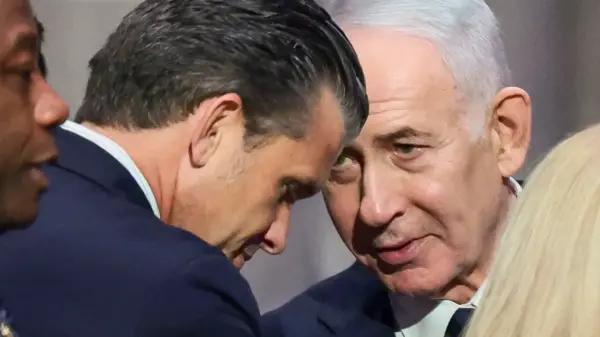


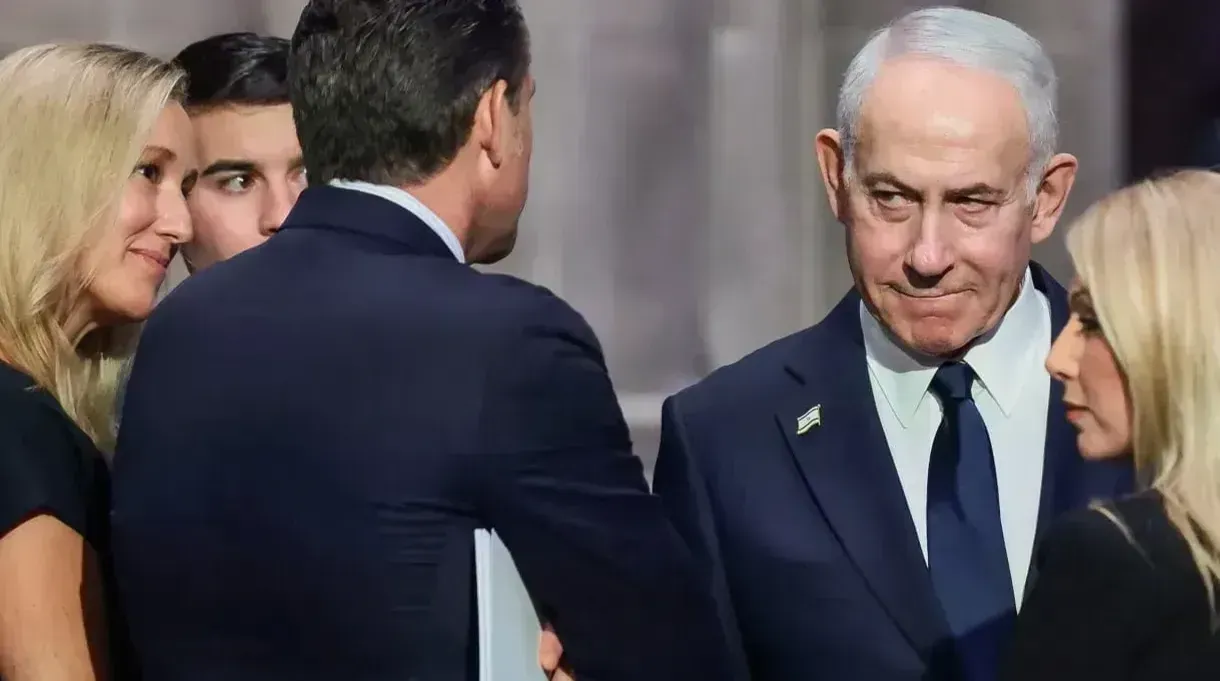
Tensions in the Middle East have reached a critical boiling point as Israeli Prime Minister Benjamin Netanyahu reveals his commitment to the complete elimination of the Iranian regime. Following a recent conversation with President Donald Trump, Netanyahu indicated that both leaders are aligned on the necessity of removing the current leadership in Tehran. This rhetoric comes amid reports that the United States may be very close to renewing military strikes against Iran, adding significant pressure to a region already scarred by previous large scale confrontations including operations like Roaring Lion and Epic Fury.
While the threat of direct conflict looms, diplomatic efforts are continuing in parallel through complex channels. Delegations from Israel and Lebanon recently met at CENTCOM headquarters in Tampa to discuss regional stability, even as Israeli officials warn that any coordination between Hezbollah and Iran could lead to an expansion of security zones within Lebanon. Meanwhile, Syria remains on edge over fears of an Israel backed offensive involving Druze forces, illustrating how quickly instability can ripple across neighboring borders during these high stakes negotiations.
Beyond the immediate threats of airstrikes, the geopolitical struggle has entered a psychological phase focused on internal politics. Analysts suggest that Iran is intentionally stalling diplomatic talks to create political friction for President Trump ahead of upcoming US midterms. At the same time, international allies are stepping up their defensive postures, with reports indicating that British RAF Typhoon jets will deploy to protect Saudi Arabian infrastructure from ongoing Houthi aerial attacks. As casualties continue to mount from sporadic clashes in Gaza and lingering effects of past missile exchanges, the window for a lasting peace appears increasingly narrow.