
























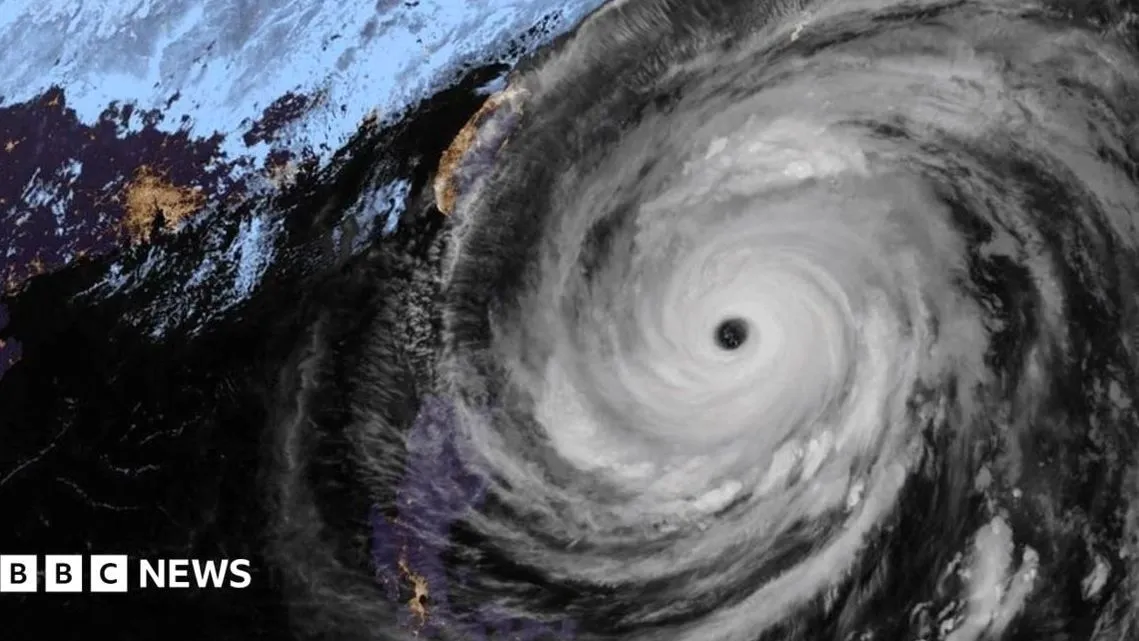
East Asia is grappling with widespread chaos as Typhoon Champi, the most powerful storm recorded this year, tears through the region. After peaking as a Category 5 equivalent super typhoon with winds hitting 185 mph in the Philippine Sea, the storm continues to pack a punch as it barrels toward Taiwan. The fallout has been immediate and severe, leaving a trail of destruction that includes one confirmed death on Liuqiu island and nearly a hundred injuries resulting from falls and traffic accidents. In response to the looming threat, Taiwanese authorities have shut down schools and offices across almost every county, closed the national stock exchange, and ordered thousands of residents to evacuate their homes.
Travel across the region has ground to a halt as aviation hubs scramble to avoid catastrophe. Taiwan has cancelled nearly a thousand flights, including hundreds of international departures, while railway and ferry services remain suspended. The disruption extends far beyond Taiwan’s shores; Japan has already seen more than 160 flights scrapped across four major airlines. Operations at several airports in southern Okinawa have been completely halted for the day, reflecting the sheer scale of the atmospheric disturbance affecting multiple nations simultaneously.
The storm’s reach is already being felt in Japan, where over 3,600 households in Okinawa are without power. With winds making outdoor repairs too dangerous for crews, utility companies are relying on remote operations to restore electricity. Prime Minister Sanae Takaichi has urged citizens to exercise extreme caution against storm surges and landslides, utilizing social media to warn a public that increasingly relies on digital updates over traditional news outlets. Meanwhile, China has issued alerts ranging from blue warnings for its eastern coast to orange warnings for Zhejiang Province, expecting significant waves and heavy rainfall over the weekend.
Meteorologists note that this particular season has been unnervingly active, driven by an unusually strong El Nino event. For Japan, Champi marks the thirtieth typhoon of the year, a frequency not seen since 2013. The situation is equally dire in the Philippines, where officials are facing the rare possibility of exhausting their entire alphabetical list of storm names before the year concludes. As Champi continues its northwesterly trajectory toward Taiwan before curving back toward Japan, millions remain on high alert for further flooding and destructive winds through Saturday evening.