























A Republican led attempt to restrict stock trading by members of Congress collapsed in the Senate on Wednesday after failing to secure the sixty votes necessary to move forward. In a fifty three to forty seven vote that split strictly along party lines, the Stop Insider Trading Act was defeated despite having previously cleared the House in July. While the bill sought to prevent lawmakers and their immediate families from buying public stocks and required advanced notice for sales, Democratic opponents argued the measures were insufficient and lacked teeth.
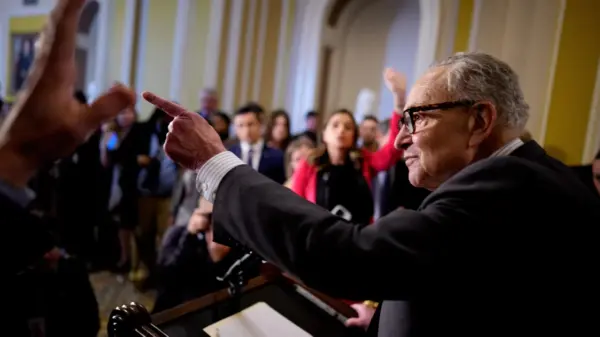
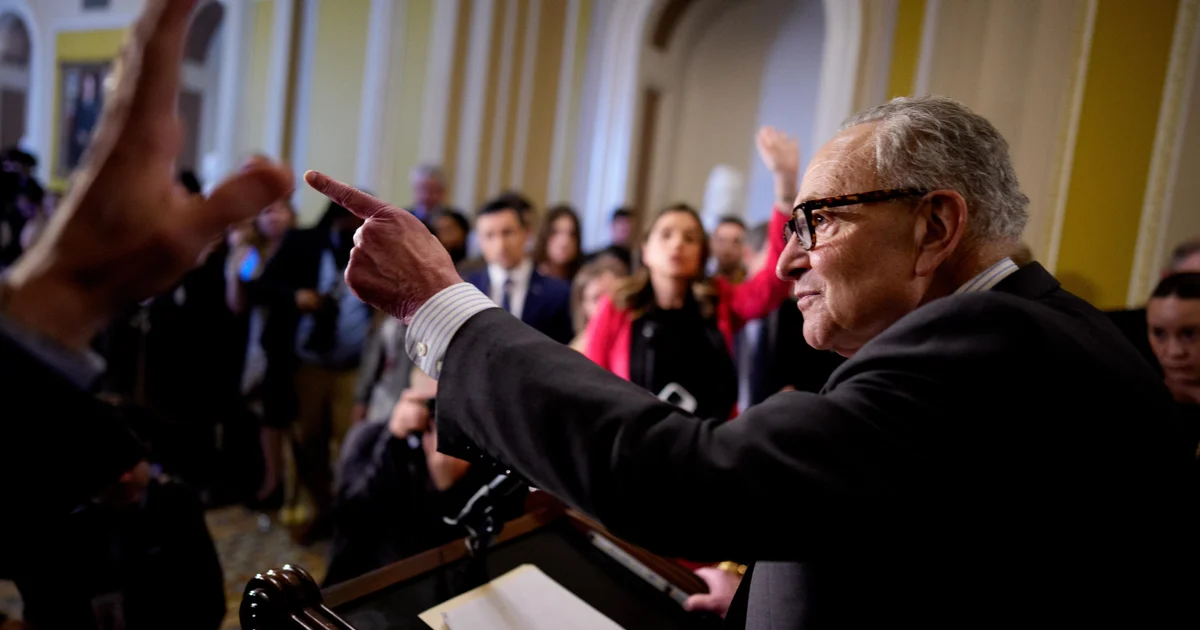
Senate Minority Leader Chuck Schumer dismissed the proposal as ineffective, comparing it to a screen door on a submarine. Schumer contended that Republicans intentionally designed the legislation to fail, specifically criticizing the fact that it excluded the president and members of the executive branch from its restrictions. He suggested that carving out the White House undermined any genuine effort to crack down on government corruption, asserting that his caucus remains open to a comprehensive ban if presented with a serious proposal.
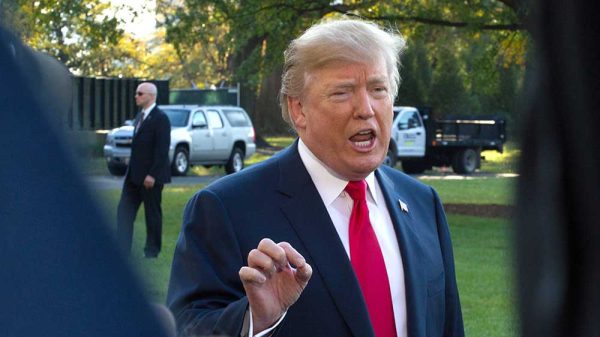
Beyond the debate over financial ethics, Democrats pointed to a controversial voter identification provision as a primary reason for their opposition. This requirement for photo identification in federal elections was viewed by critics as a poison pill meant to force Democrats into rejecting the more popular stock trade limits. GOP leadership had included the election mandate following pressure from President Trump, who wants such laws enacted before upcoming midterm contests.
Republicans maintained that the bill represented common sense legislation intended to hold representatives to higher ethical standards. Senate Majority Leader John Thune defended both the trading limits and the voter ID requirements as simple but essential updates. However, observers noted that moving toward a predictable defeat may have been a strategic choice by Republicans to place Democrats on the record regarding these issues just as several Senate races become increasingly competitive heading into next year’s elections.