













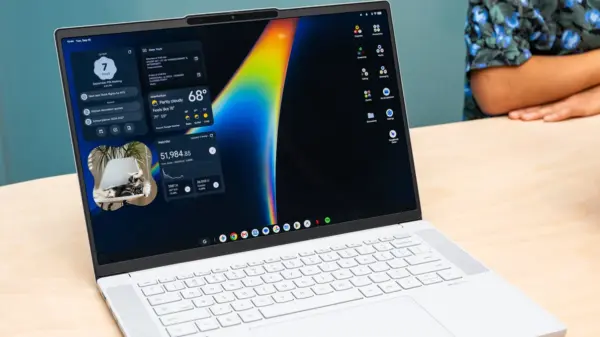







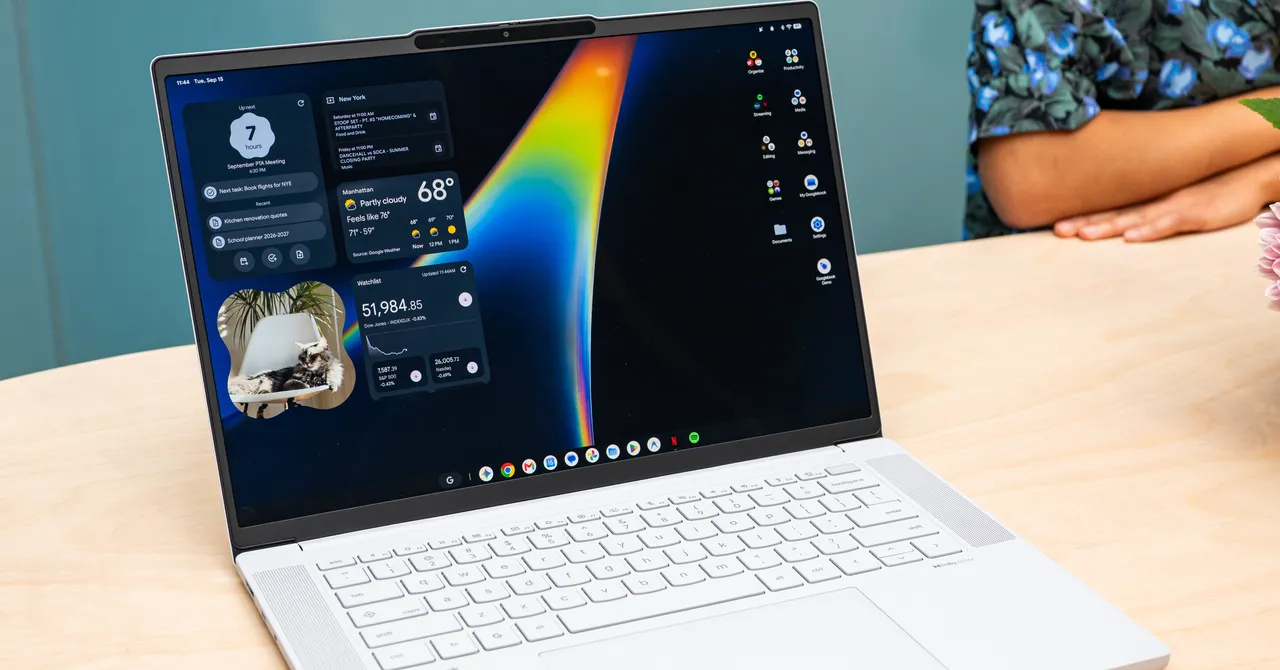
For years, Apple users have enjoyed a tight circle of synergy where iPhones and Macs operate almost as a single entity, allowing people to copy text on one screen and paste it onto another or answer texts without ever touching their phone. Until now, Android users have lacked a native equivalent at the operating system level. Google is aiming to bridge that gap with the introduction of Googlebooks, a new category of premium laptops designed specifically to create a seamless bond with Android smartphones. Unveiled during a recent media event in New York City, these machines represent a hybrid leap forward, merging the mobile first nature of Android with the foundations of ChromeOS.
Rather than manufacturing every unit itself, Google is following its traditional partner model. Five major players including HP, Dell, Lenovo, Acer, and Asus are launching compliant hardware today, with prices starting at 899 dollars and hitting shelves on October 4. To ensure these aren’t just glorified Chromebooks, Google has enforced strict hardware standards requiring premium materials like aluminum or carbon fiber, at least 16 gigabytes of RAM, and long lasting battery life. A distinctive visual cue called the Glowbar serves as a signature LED strip on the exterior that pulses when interacting with Gemini AI, paying homage to the old Chromebook Pixel design.
Under the hood, Googlebooks offer an experience that feels like an expanded version of Android but is fully optimized for larger screens through three different app tiers. Some apps remain purely mobile while others are optimized or fully rebuilt for the desktop experience. High profile tools like Adobe Photoshop and CapCut are already among those tailored for the platform. This integration extends beyond apps; once paired with a phone, things like Wi-Fi passwords and messages flow instantly between devices. Gaming is handled via a massive library of Play Store titles and a complimentary year of Nvidia GeForce Now cloud streaming to compensate for the lack of high end graphics cards.
Artificial intelligence sits at the center of this new ecosystem. Beyond dedicated Gemini keys on the keyboard and AI generated widgets, Google is introducing Magic Pointer. This feature allows users to wiggle their cursor over any item on the screen to trigger contextual suggestions from Gemini, such as automatically adding an invite to a calendar or identifying an animal in a photograph. By bundling a year of Google AI Pro service and promising ten years of software updates, Google is clearly positioning the Googlebook not as a budget alternative for students, but as a serious challenger to the established productivity workflows of Windows and macOS.