
























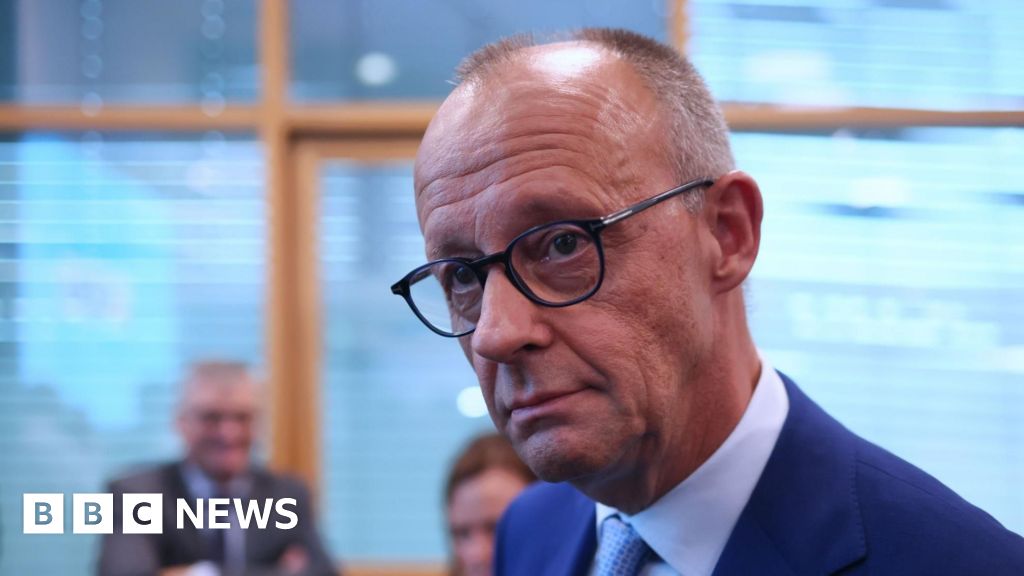
German Chancellor Friedrich Merz is fighting for his political survival after describing recent state election losses for his party, the Christian Democratic Union, as a disaster. In the north eastern state of Mecklenburg Vorpommern, the CDU suffered a historic blow, failing to reach the five percent threshold required to enter parliament. This collapse comes alongside disappointing numbers in Berlin, where the ruling party appears to have been overtaken by Die Linke. The results mark a continuing downward trend for Merz following a previous defeat in Saxony Anhalt, fueling rumors that he could be replaced mid term in a rare chancellor swap.
The vacuum left by the CDU’s decline has been largely filled by the far right Alternative for Germany, which is on track to win the most votes in Mecklenburg Vorpommern. While other parties refuse to form a coalition with them due to their anti immigration and Russian friendly platform, AfD co leader Alice Weidel wasted no time predicting an end to Merz’s leadership. Speaking in English shortly after the polls closed, Weidel suggested that the chancellor would be leaving his post pretty soon, claiming her party has now reached the mainstream of the German population.
Despite the bruising losses and plummeting approval ratings, Merz remains defiant and insists he is not going anywhere. Addressing reporters at party headquarters in Berlin, he vowed to persevere with his administration’s planned economic and welfare reforms. He framed these policy changes as an essential antidote to what he described as authoritarian poison currently seeping into society, arguing that moving the country forward requires backbone and patience rather than a change in leadership.
Supporters within his own party are rallying around him, suggesting that replacing him now would be a waste of precious time during a period of instability. Some allies argue that Merz has inherited deep systemic problems that cannot be solved in just sixteen months and believe he deserves his full four year term. However critics point out that his shift toward more conservative positions on immigration has failed to steal momentum from the AfD while simultaneously alienating voters on the left, leaving him increasingly isolated in a polarized political landscape.