




















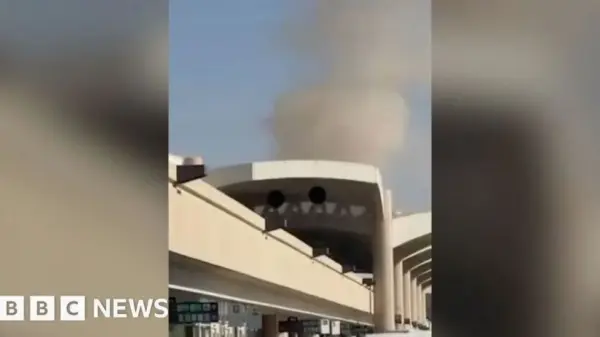

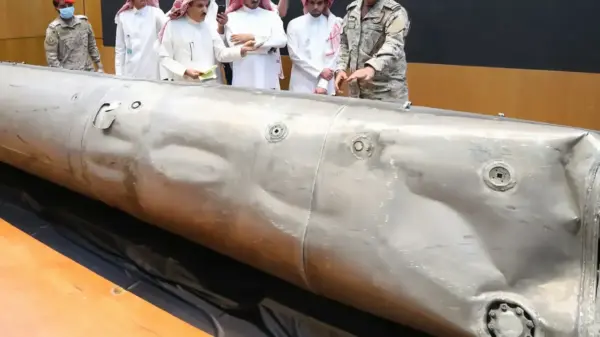

Saudi Arabia has confirmed that Houthi rebels launched a ballistic missile toward its capital, marking the first direct targeting of Riyadh since a recent surge in hostilities with the Tehran-backed group. While the Saudi-led coalition stated the projectile was successfully intercepted, residents of the city reported hearing explosions and spotting plumes of smoke drifting near the airport. Despite these sightings, there were no immediate reports of casualties or structural damage within the capital.
The assault appears to be part of a wider wave of attacks aimed at critical Saudi interests. Coalition officials noted that similar attempts were made to hit civilian infrastructure in several other locations, including Taif, Baysh, Farasan and the strategic port city of Yanbu, where a major oil pipeline terminates. For their part, Houthi military spokesperson Brigadier General Yahya Saree claimed his forces used a combination of cruise missiles, ballistic missiles and drones to strike sensitive sites and Aramco facilities, alleging they caused massive fires. However, those claims remain unverified and Aramco has not issued a formal response.
This escalation comes amid an increasingly volatile period characterized by frequent clashes and high stakes for global shipping corridors. Just days ago, Saudi authorities reported that debris from an intercepted drone killed a Yemeni resident living in Saudi Arabia, while another attempted strike reportedly targeted Mecca. These developments signal a violent return to conflict after four years of relative stability in Yemen, coinciding with Houthi advances along the Red Sea coast and the seizure of key ports like Mokha.
As the fighting intensifies on both sides, regional sources suggest that Saudi Arabia may be facing shortages of missile interceptors to counter the barrage. Reports indicate Riyadh has reached out to allies including France, Britain, Pakistan and Egypt for additional air defense support. Meanwhile, the United States maintains it currently has no active conflict with the Houthis even as its primary regional partner struggles to secure its borders against an emboldened rebel force.