















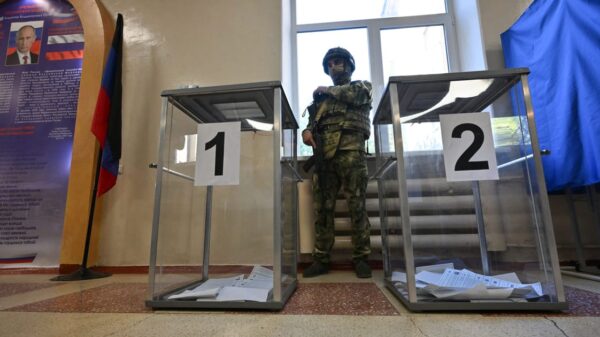
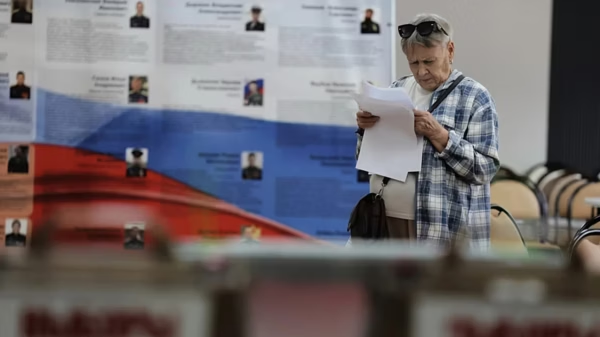


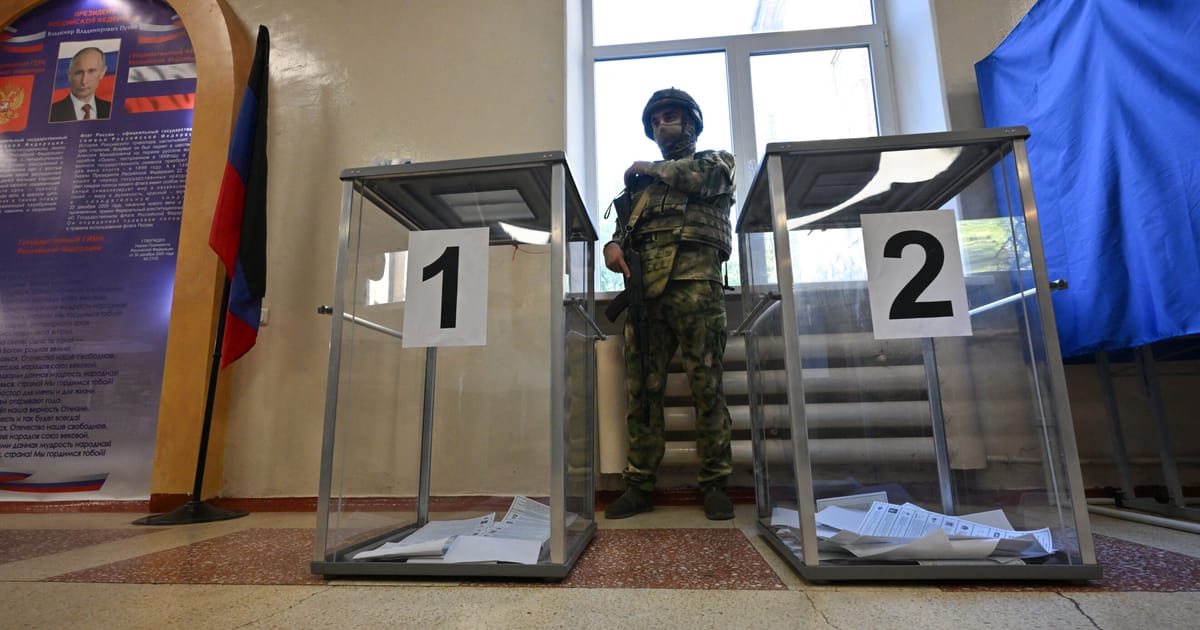
The recent cycle of elections in Russia has served as a stark reminder that the democratic process under Vladimir Putin has become little more than a choreographed performance. For many citizens, the ballot box no longer represents a choice between competing visions for the country, but rather a formality designed to validate an existing power structure. The sentiment echoing through disillusioned circles is simple and bleak: there are no decent parties left to support.
This erosion of political pluralism is not accidental but the result of years of systemic pruning. Potential challengers have been exiled, imprisoned, or intimidated into silence, leaving behind a curated selection of loyalists who offer no real alternative to the Kremlin’s agenda. By neutralizing any genuine opposition, the state ensures that while votes are cast and tallies are announced, the outcome remains predetermined long before the first polling station opens.
Observers note that these sham proceedings do more than just maintain stability; they serve as a psychological tool to signal total control over the Russian populace. When voters see names on a ballot that carry no actual weight or influence, it reinforces the idea that resistance is futile and change is impossible without permission from above. This atmosphere of managed democracy creates a vacuum where civic engagement dies and apathy becomes a survival mechanism.
Ultimately, these elections underscore Putin’s tightening grip on every facet of Russian public life. Rather than providing legitimacy through popular consent, the exercise reveals how deeply the machinery of state has replaced independent political thought with absolute loyalty. As the space for dissent vanishes, Russia finds itself drifting further away from any semblance of competitive governance, locking its future into a singular path dictated by one man.