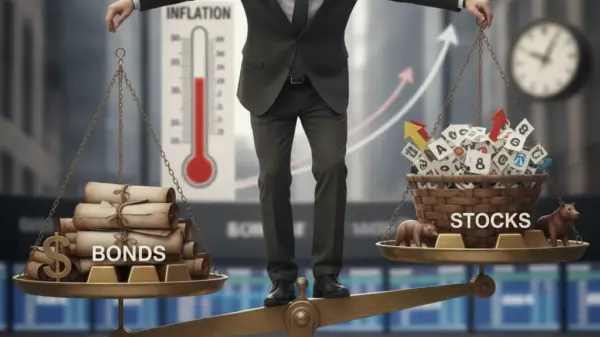


























Investors are flocking back to the bond market in droves, with U.S. bond ETFs pulling in nearly 54 billion dollars in August alone. After a decade of near-zero interest rates that left many portfolios starving for income, the current landscape offers a refreshing change. With short term yields hovering around 4 percent and the ten year treasury hitting significant milestones, bonds are once again providing the steady, predictable returns that made them a staple of conservative investing.
However, the biggest mistake investors can make in this environment is viewing these assets as quick wins rather than foundational pieces of a financial plan. According to Dan Sotiroff, associate director of U.S. passive strategies research at Morningstar, core and core plus bond ETFs should be treated as long term holdings designed to act as ballast for a portfolio. While the allure of higher yields is strong, these funds are primarily intended to provide shelter during market storms and reduce overall risk compared to volatile stock investments.
For those deciding between active and passive management, the choice involves weighing consistency against potential growth. Passive index funds offer broad exposure and typically come with lower costs, which Sotiroff notes is always a competitive edge. Active managers, however, have a unique advantage in the bond market that doesn’t exist in equities. Because many broad indices are heavily weighted toward safe government treasuries and ignore harder to trade securities, active managers can hunt for mispriced bonds to drive higher performance.
Interestingly, the odds of success for active bond managers are significantly higher than for those managing stock portfolios, with some categories seeing success rates of 40 to 50 percent. Despite this potential for outperformance through increased credit risk or specialized selections, experts warn that diligence remains essential. Whether choosing an index or an active manager, keeping fees low and maintaining a long term perspective will prevent investors from chasing yield at the expense of stability.