











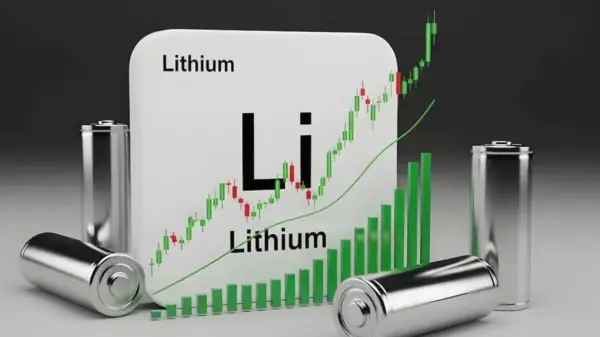











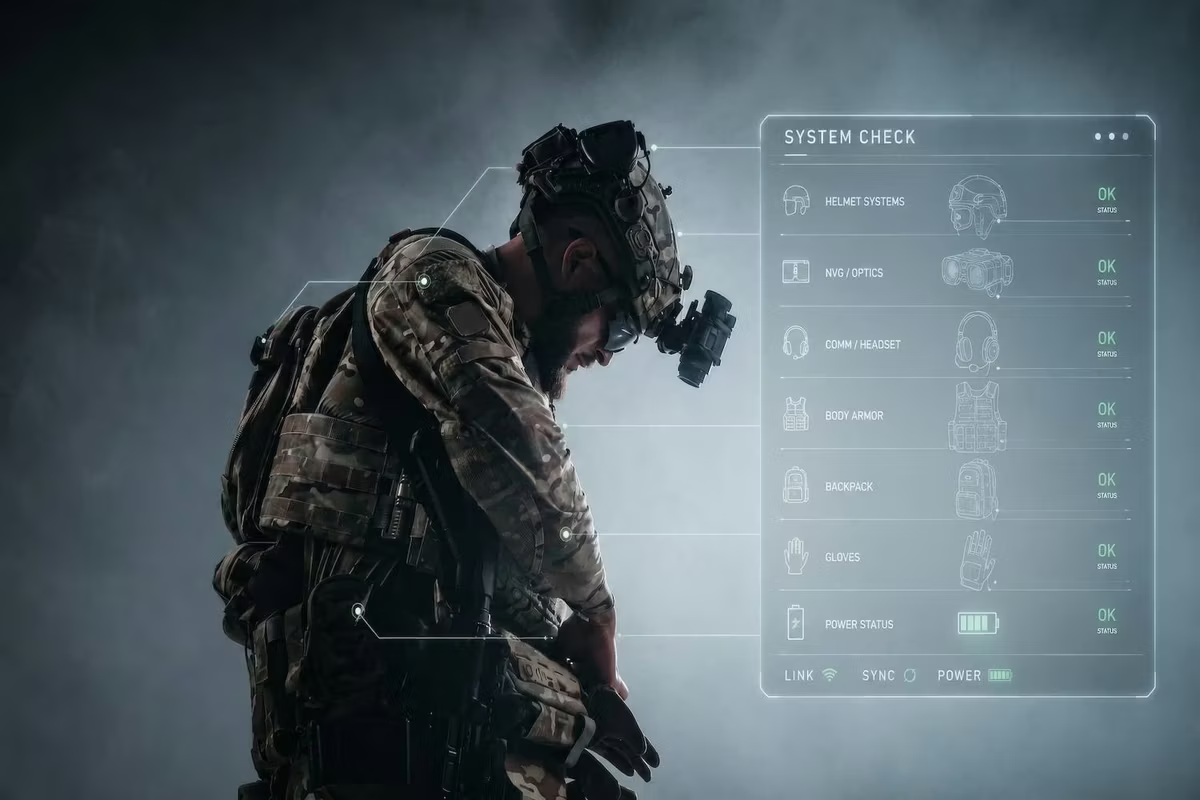
The global scramble for critical minerals is no longer just about electric vehicles and power grids. A new frontier is emerging in the defense sector, which, while smaller in volume than the automotive industry, offers a highly lucrative opportunity for next generation battery technology. Experts from SC Insights suggest that while military demand isn’t large enough to justify building massive standalone factories, it provides a vital catalyst for commercializing high performance options like solid state and lithium sulfur batteries. Unlike car manufacturers who prioritize low costs, defense and aviation clients are often willing to pay a premium for extreme energy density and reduced weight.
This shift is being accelerated by real world combat experience, specifically the war in Ukraine. The staggering scale of drone deployment has highlighted a desperate need for agile supply chains capable of pivoting from peacetime levels to wartime production almost overnight. While many current drones rely on standard commercial batteries, the push toward more sophisticated unmanned ground vehicles and aircraft means that basic chemistry will soon hit a ceiling. In aviation especially, where every single kilogram counts, the transition to advanced chemistries becomes a strategic necessity rather than a luxury.
Despite this growth, analysts warn against the mistake of trying to build an entirely isolated supply chain solely for military use. With projected annual growth between twenty and forty percent for high tech applications, the sector remains tiny compared to the thousands of gigawatt hours required by transport and grid storage. Building specialized refineries or mines just for defense would be economically impractical given the sheer disparity in scale. Instead, the goal should be fostering a deep and flexible industrial base that includes skilled labor and diversified processing capacities.
One of the most pressing vulnerabilities remains the heavy reliance on China for anode active materials, which still dominates nearly ninety one percent of production despite the abundance of graphite globally. While cathode capacity is beginning to expand in North America and Europe thanks to new legislation, experts argue that true resilience comes from broad industrial depth rather than simple stockpiling. By integrating defense needs into a wider commercial ecosystem, Western nations can ensure they have the technological edge without attempting to sustain an unsustainable independent infrastructure.