




















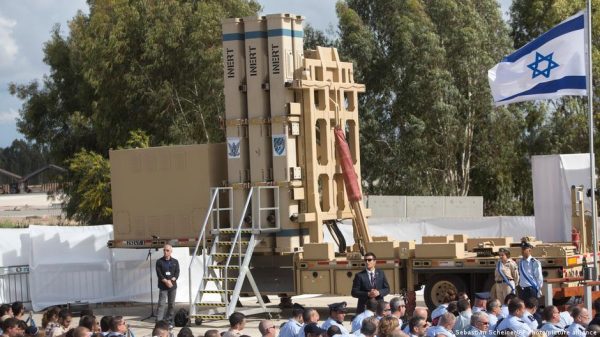

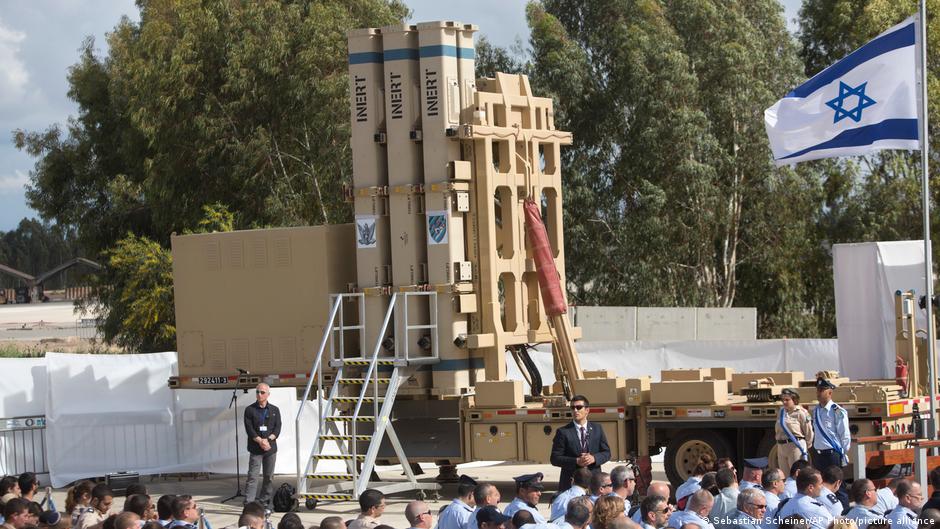
Israel and Greece have solidified their strategic partnership with the signing of a massive arms export deal valued at approximately 3 billion euros. The agreement, finalized on Monday at the Israeli Defense Ministry headquarters in Tel Aviv, focuses on building a sophisticated, multi layered air defense network for Greece known as Achilles Shield. According to official statements, these systems will be built entirely using Israeli technology and will benefit from the real world operational experience Israel has acquired during its recent conflicts, particularly those involving Iranian threats.
The new defensive array will integrate several high tech systems, including the David’s Sling and SPYDER platforms produced by Rafael, alongside the BARAK MX developed by Israel Aerospace Industries. This move represents one of the largest defense exports in Israel’s history and marks a significant shift for Athens as it seeks to modernize its military infrastructure. While Greece currently relies on a patchwork of American Patriot missiles and older Russian S-300 systems, this deal signals a desire for a more cohesive and modernized shield against aerial threats.
This acquisition is just one piece of a much larger puzzle for Greece, which intends to spend roughly 28 billion euros on overall military upgrades through 2036. In addition to the Israeli hardware, Athens is investing in American fighter jets and naval vessels from France and Italy. These expenditures come amid long standing tensions with Turkey over territorial waters and airspace in the Aegean Sea and eastern Mediterranean, making advanced air superiority a top priority for Greek national security.
Beyond this specific contract, the relationship between Tel Aviv and Athens continues to deepen across multiple fronts. The two nations already collaborate closely via joint annual military drills, shared cybersecurity initiatives, and an integrated air training center located in Greece. By securing this expansive air defense agreement after three years of negotiations, both countries are cementing a diplomatic and military bond designed to stabilize their region amidst growing geopolitical volatility.