




















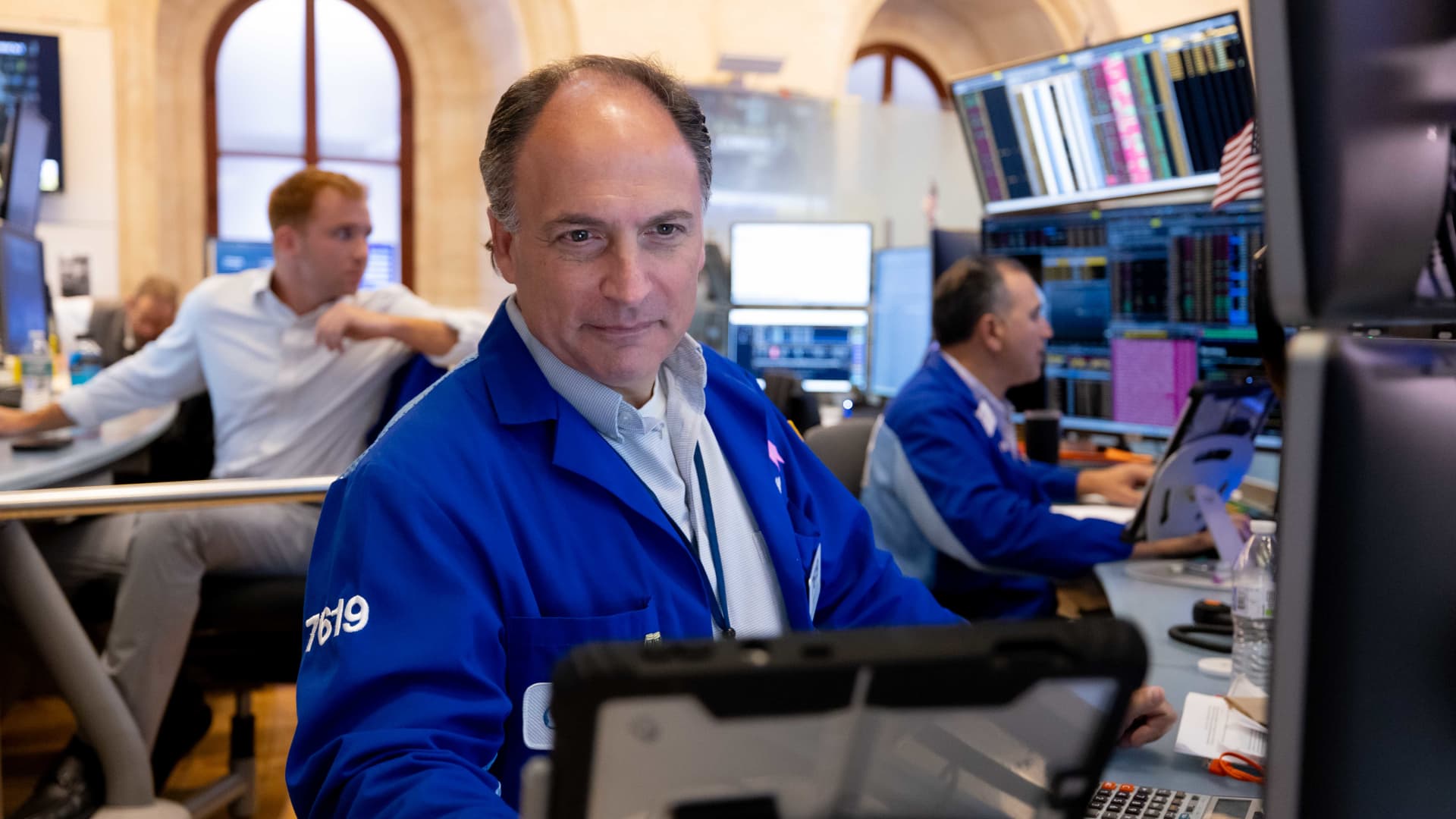
Wall Street entered Friday morning in a holding pattern as equity futures remained largely unchanged, leaving the Dow Jones Industrial Average on track for its fourth consecutive week of losses. While the S&P 500 and Nasdaq have managed modest gains over the past several days, the blue chip index has struggled, sliding 0.6 percent for the week. Investors are currently balancing cautious optimism over geopolitical diplomacy against a punishing environment in the bond market.
Treasury yields have surged to levels not seen since 2007, with the 10 year note climbing to 5.225 percent. This spike is being driven by a combination of hawkish rhetoric from Federal Reserve Governor Michael Barr and stubborn energy costs linked to the ongoing conflict involving Iran. These rising yields are already filtering down to consumers, pushing 30 year fixed rate mortgages to 7.45 percent. Economists at Morgan Stanley warn that these increasing borrowing costs could stifle consumer spending on goods throughout next year.
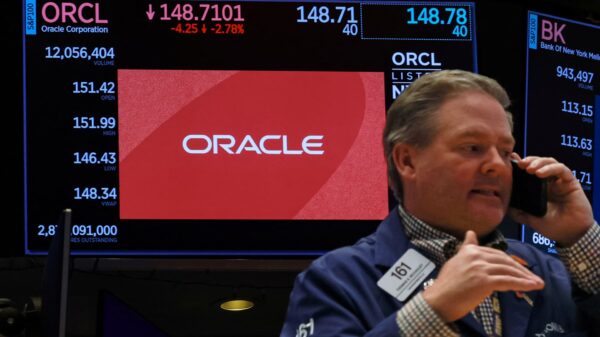
Despite the gloom in bonds, there were flashes of positivity elsewhere on Friday. Oil prices dipped slightly as reports surfaced that U.S. and Iranian negotiators are discussing a phased deal to restore navigation in the Strait of Hormuz in exchange for an end to the U.S. naval blockade. Meanwhile, in international markets, Oracle Japan saw its shares jump more than 7 percent following record quarterly profits, providing a sharp contrast to its American parent company’s recent struggles.
Looking ahead, traders remain focused on upcoming economic indicators including durable goods data and the University of Michigan consumer sentiment report. With Fed funds futures suggesting a nearly 68 percent chance of another rate hike in October, many investors are bracing for further volatility as they navigate high inflation and shifting political landscapes leading into the midterm elections.