






















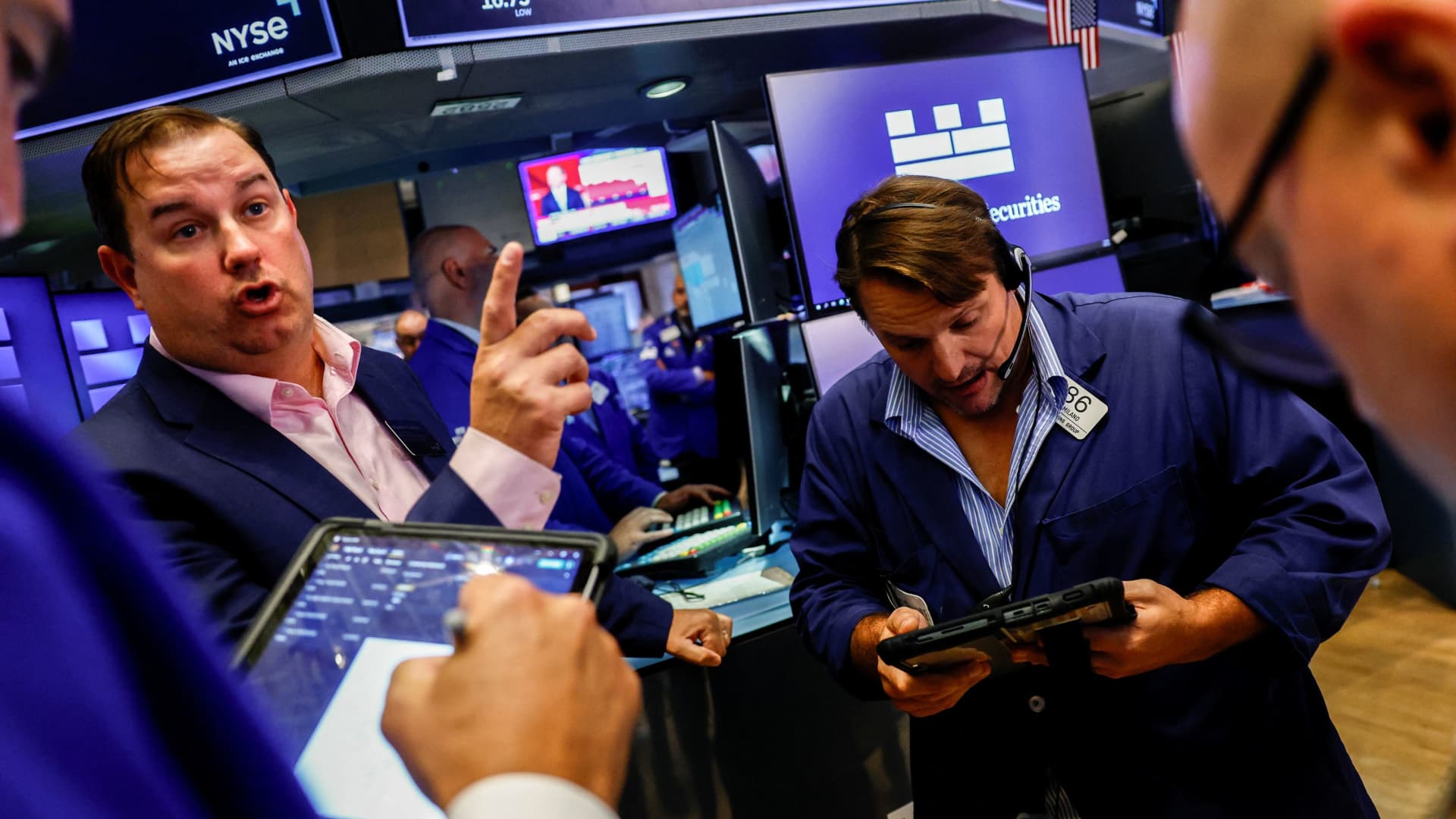
Stock futures ticked upward on Wednesday evening as investors began to stabilize following a sharp market sell off triggered by the Federal Reserve’s decision to raise interest rates for the first time in three years. The Dow Jones Industrial Average had plummeted more than 630 points during regular trading, weighed down heavily by financial services stocks, while the S&P 500 and Nasdaq Composite also finished the day in negative territory. However, early signs of recovery appeared in late trading with futures for all three major indices climbing slightly, suggesting that some of the initial panic has subsided.
The Federal Reserve increased the overnight federal funds rate by a quarter percentage point, pushing the target range to between 3.75 percent and 4 percent. Fed Chairman Kevin Warsh indicated that inflation remains stubbornly high, pointing toward a consumer price index reading of 3.4 percent and oil prices that have surged past 100 dollars per barrel. This hawkish stance left many traders wondering if this is a solitary adjustment or the start of a broader tightening cycle, especially given ongoing geopolitical tensions in the Middle East that threaten to keep energy costs elevated.
While the macro environment remained tense, individual corporate news provided some bright spots for investors. Generac saw its shares jump more than 30 percent in extended trading after announcing a deal to provide backup power generators for Amazon data centers, which included warrants allowing Amazon to purchase up to 340 million dollars in shares. Meanwhile, political pressure mounted quickly as President Donald Trump took to social media to demand that the central bank slash rates to 1 percent or less, arguing that American credit deserves far lower borrowing costs.
Looking ahead, global markets showed mixed reactions on Thursday morning. While Japanese and South Korean indexes trended higher, mainland China and Hong Kong saw their markets open lower due to declines in technology and materials sectors. Wall Street is now awaiting fresh economic data tomorrow morning regarding weekly jobless claims and housing starts to determine whether high borrowing costs are starting to significantly dampen domestic construction and employment growth.