



















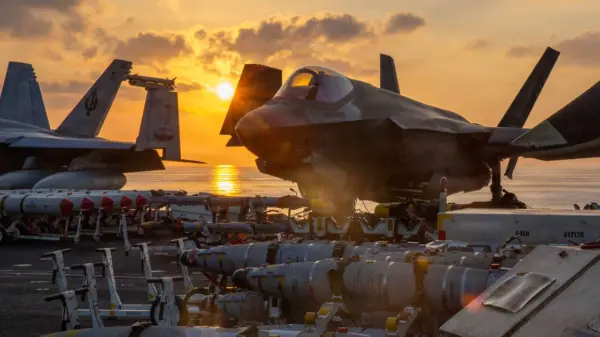


The Trump administration is moving forward with plans to sell Israel 60,000 highly destructive 2,000 pound bombs in a multibillion dollar deal that will be largely financed by American taxpayers. While officials from the State Department and the White House have remained tight lipped about the specifics of pending transactions, reports indicate the package consists of several devastating munitions, including MK-84 general purpose bombs, BLU-117s, and I-2000 bunker busters. This massive influx of weaponry arrives as regional tensions remain high following years of conflict in Gaza and Lebanon, as well as escalating violence in the occupied West Bank.
These particular weapons are among the most powerful in Western arsenals, designed for maximum destruction. The MK-84 and BLU-117 variants are built to level buildings and cause widespread casualties over large areas through sheer blast force and fragmentation. Meanwhile, the I-2000 Penetrator is specifically engineered to punch through reinforced concrete and hardened underground structures before detonating. Experts note that a single 2,000 pound blast can create craters fifteen meters wide and deeply endanger anyone within a thirty five meter radius.
The timing of this shipment is sparking significant controversy given the humanitarian toll already witnessed in Gaza. Previous administrations briefly paused deliveries of such heavy ordnance due to concerns over civilian deaths in densely populated urban centers, but those restrictions were lifted upon Donald Trump’s return to office. Human rights organizations have pointed to previous strikes on refugee camps as evidence of the catastrophic impact these bombs have when deployed in cities, leading to accusations of war crimes and investigations by international courts.
Adding another layer of complexity is the state of America’s own military readiness. The push to supply Israel comes at a time when U.S. munitions stockpiles have been significantly drained by conflicts involving Iran and the indirect support provided for Ukraine’s defense against Russia. Despite these internal shortages, Washington continues to prioritize this strategic partnership via Foreign Military Financing, essentially paying for American made weapons to be delivered directly to the Israeli military.