
















Oil prices moved uneasily at the start of the week as markets digested the implications of a sudden US intervention in Venezuela.
Brent crude slipped as much as 1.2 percent in early trading to around US$60 a barrel before recovering modestly to trade just above US$61.
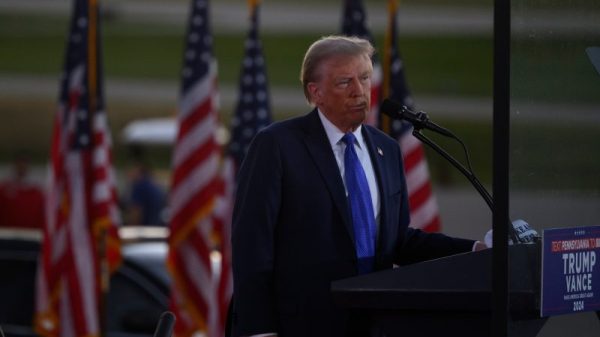
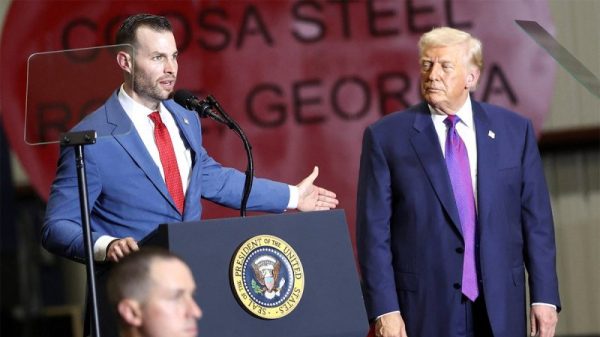
The US over the weekend removed Venezuelan President Nicolás Maduro from power, with President Donald Trump saying Washington would assume control over the country’s oil sector and invite US companies to invest in rebuilding it.
Venezuela holds about 303 billion barrels of proven crude reserves—roughly 17 percent of the global total, according to the US Energy Information Administration—but currently produces only about 1 million barrels per day, less than 1 percent of global supply.
That gap between geological potential and actual output explains why traders have so far resisted pricing in a near-term supply shock or surge. Venezuela’s exports are already constrained by US sanctions and a naval blockade, and analysts say it would take years and tens of billions of dollars to restore production to anything close to historical levels.
“People are going to assume there’s going to be a lot more oil in the medium term,” Amrita Sen, founder of consultancy Energy Aspects, told the Financial Times.
Sen also noted that the prevailing market instinct is to treat US involvement as eventually bearish for prices, but added that nothing has materially changed in the short term.
Indeed, the broader oil market is already weighed down by oversupply concerns. Brent prices fell roughly 20 percent in 2025, sliding from above US$70 to just over US$60 as rising production collided with softer demand growth.
Non-OPEC producers, led by record US output, have added barrels, while OPEC+ has struggled to balance defending prices with regaining market share.
At a scheduled meeting on Sunday (January 4), eight OPEC+ members signaled no immediate change in strategy and agreed to maintain a pause on production increases until at least April.
The decision reinforced the view that the cartel is cautious about adding more supply into an already heavy market.
In the near term, Venezuela’s own output could even decline. The blockade has restricted imports of diluents needed to blend the country’s heavy crude for export, tightening operational constraints. Reuters reported that state-owned oil company Petróleos de Venezuela has asked some joint-venture partners to scale back production.
Oil markets enter 2026 with supply fears
Against that backdrop, the political drama in Caracas has landed at an awkward moment for oil markets heading into 2026.
Market volatility was a defining feature of 2025. Brent crude traded between a high of US$81.86 and a low near US$59.41, while WTI ranged from US$78.99 to about US$55.56.
Cunningham also pointed to President Trump’s shifting tariff policies as a source of uncertainty. “We can see that Trump’s ‘Liberation Day’ tariffs pushed prices down to a level from which they’ve not recovered from,” he said, aside from a brief spike during last year’s Iran-Israel conflict.
Yet not all analysts share the deeply bearish view. Josef Schachter of the Schachter Energy Report argued that perceptions of abundant supply obscure tighter underlying fundamentals.
Global floating inventories hover near a billion barrels, much of it tied up in “shadow fleets” off Iran, Russia, and Venezuela, awaiting demand.
“Even though people are talking about lots of supply, demand is still growing,” he said, estimating global oil demand rose about 1.3 million barrels per day in 2025 and could increase by roughly 1.2 million barrels per day in 2026.
For oil markets, however, Venezuela remains more a symbol than an immediate supply lever. For now, the muted reaction appears to signal a consensus that even dramatic political change does not alter the near-term balance.
Securities Disclosure: I, Giann Liguid, hold no direct investment interest in any company mentioned in this article.