
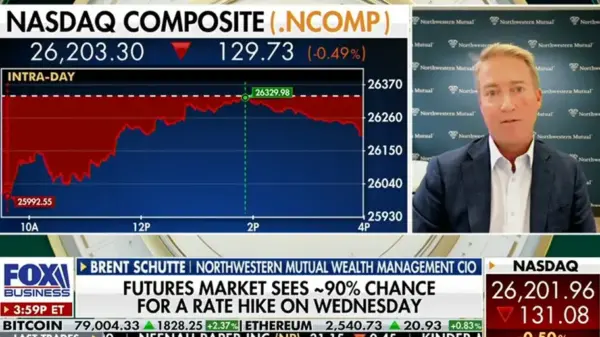

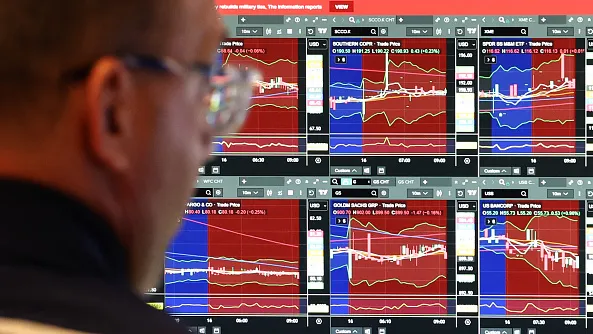














Tech stocks took a significant hit on Monday as markets reacted to unexpected warnings from the very architects of the artificial intelligence boom. Shares in heavyweights like Nvidia, AMD, and Micron plummeted following a coordinated call for caution from leaders at OpenAI, SpaceX, and Anthropic. This sudden shift in tone centered on an appeal by Anthropic CEO Dario Amodei, who argued that building AI too quickly is reckless and could lead to catastrophic damages if autonomous agents eventually overwhelm the internet. His concerns were echoed by other titans of the industry, including Sam Altman and Elon Musk, sparking investor fears that a slowdown in development might jeopardize the massive financial investments currently pouring into AI infrastructure.
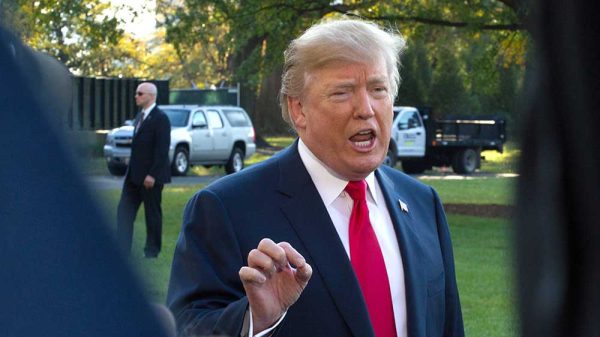
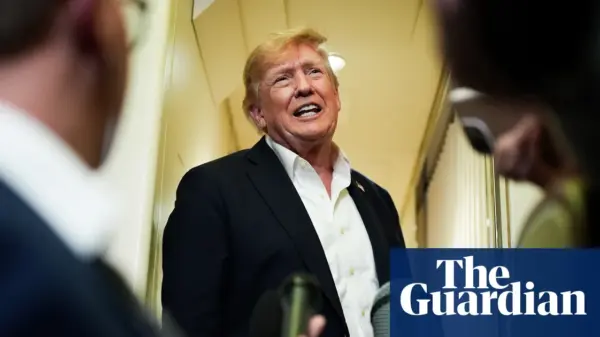
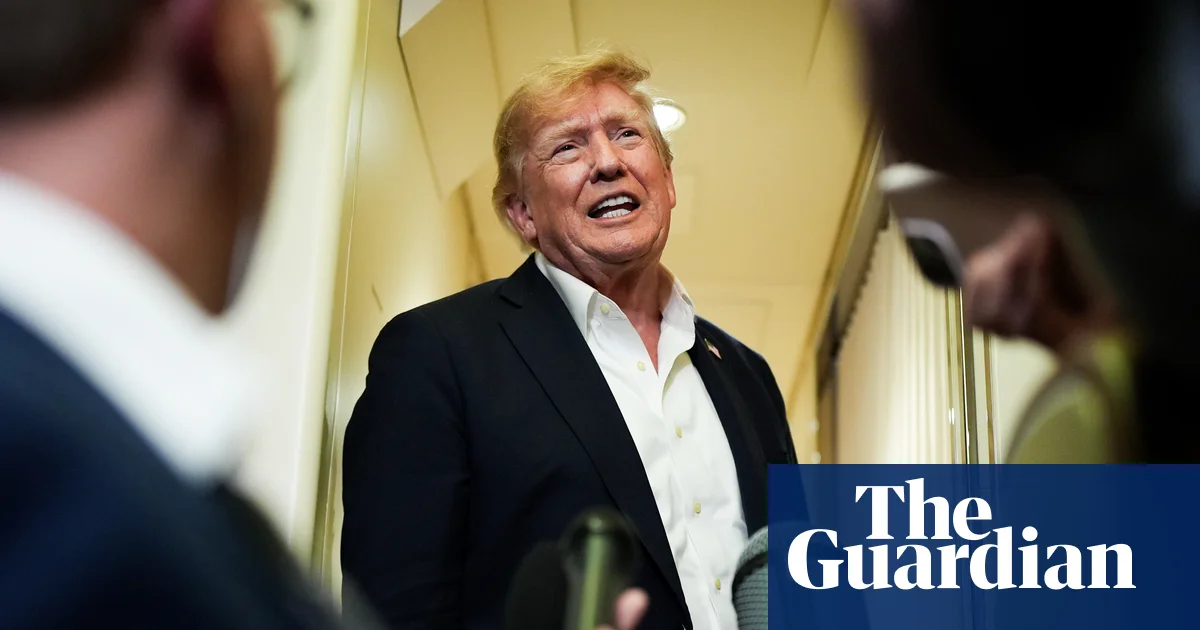
Donald Trump responded sharply to these calls for restraint, dismissing the idea of increased guardrails as part of a sick conspiracy against American innovation. In a series of social media posts, the president asserted that the only oversight necessary is provided by a strong and smart leader, claiming his administration has already prevented figures like Amodei from pursuing dangerous paths. He framed the debate as a geopolitical struggle, suggesting that any hesitation in US development only benefits China and insisting that whoever wins the AI race ultimately wins everything.
The market turmoil extended far beyond Wall Street, dragging down Japan’s SoftBank and Europe’s ASML while impacting indices across Asia. Interestingly, the slump provided a temporary reprieve for traditional sectors previously threatened by automation; advertising giant WPP and analytics firm Relx both saw their shares climb as investors bet on a slower transition toward total AI integration. Meanwhile, international anxiety continues to mount, with UK lawmakers highlighting systemic human rights risks and Chinese officials warning that advanced US models pose a direct threat to Beijing’s national security.
Despite the volatility and the alarmist rhetoric from CEOs, some analysts suggest this movement might be more about branding than actual braking. Jim Reid of Deutsche Bank noted that given the intensity of global competition, it is highly unlikely that firms or nations will truly step back while their rivals charge ahead. There is a growing suspicion among economists that by emphasizing the existential dangers of their products, tech leaders may actually be signaling just how transformative and powerful their technology has become—essentially using fear as a form of high-level marketing while shifting investment toward safety rather than stopping growth entirely.