















While many aspects of life in modern Russia remain unpredictable, the recent election results provided almost no shocks. In a political landscape meticulously managed by the Kremlin, the ruling United Russia party was widely expected to maintain its dominance, and preliminary data suggests they have done exactly that. The party is on track to retain its constitutional majority in the State Duma, effectively silencing any notion of a political upset despite several years of grueling conflict in Ukraine, significant military losses, and domestic economic strain fueled by drone strikes on oil infrastructure.
The composition of the new parliament looks remarkably similar to the previous one, consisting largely of parties that have consistently backed the special military operation. Any potential for dissent was systematically pruned away; notably, Yabloko, the only anti-war party permitted to run, was stripped from the ballot by the Supreme Court just twelve days after registration. Party chairman Nikolai Rybakov pointed out the futility of the process when nearly every remaining option on the ballot supports Vladimir Putin’s agenda. Even candidates who attempted to run in individual constituencies faced imprisonment or bureaucratic barriers designed to neutralize their influence.
On the ground, voters seem to mirror this sense of inevitability with a mood of quiet resignation. In areas where Ukrainian attacks have brought the war closer to home, citizens describe a habituation to instability rather than alarm. For many Russians, getting through a polling station while drones threaten nearby refineries has become part of a normalized routine. This atmosphere suggests that while there may not be enthusiastic fervor across every demographic, there is a pervasive feeling that challenging the current trajectory is neither possible nor productive.
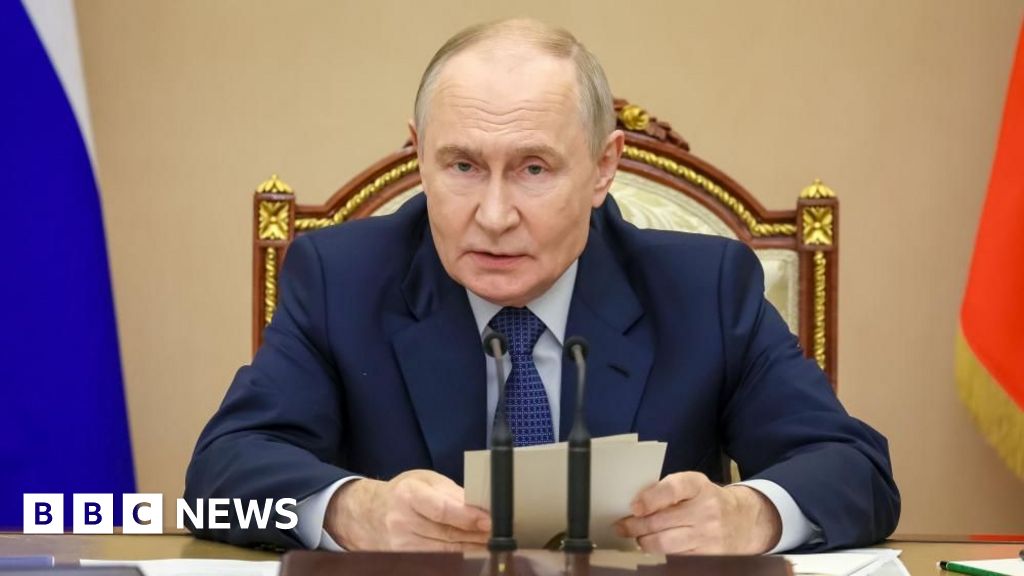
However, while the victory itself was certain, how these results will be weaponized remains an open question. The Kremlin is expected to frame this outcome as a resounding mandate from the people, using it to legitimize further escalations or controversial policy shifts regarding the war effort. Although President Putin recently claimed that another wave of mobilization is currently unnecessary, his phrasing leaves a door open for future changes in strategy. Despite official assurances, deep anxiety persists within Russian society over whether this perceived popular support will eventually be used to justify drafting more citizens into the fight.