


















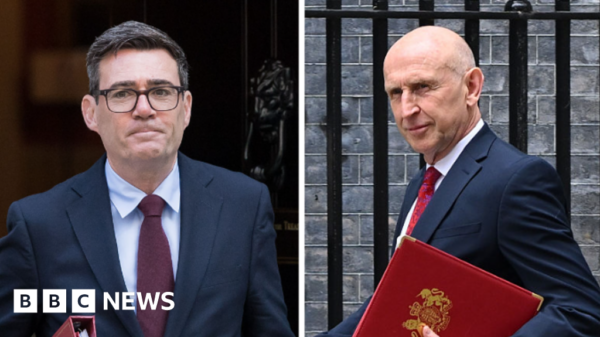


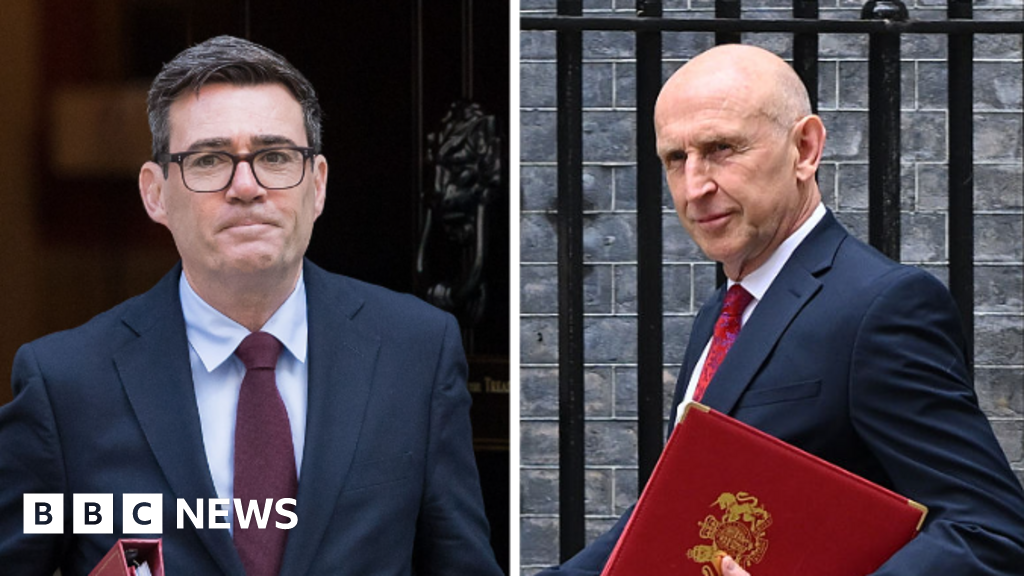
With just forty two days remaining until Chancellor John Healey delivers his first Budget, the honeymoon period for Andy Burnham’s administration is facing a cold wake up call from the economic reality of the UK. Recent inflation data suggests that managing the economy remains the most daunting hurdle for the Prime Minister, raising urgent questions about whether his ambitious promises of systemic political change can actually be funded. While global instability in Ukraine and the Middle East along with rising borrowing costs tied to the AI boom provide some cover, critics argue that domestic mismanagement is playing a larger role than the government would like to admit.
The pressure is mounting from unexpected quarters, including former allies and advisors. In a particularly stinging critique, former Bank of England chief economist Andy Haldane suggested that without clear evidence of spending cuts, financial markets might view this administration as nothing more than a traditional tax and spend socialist government with better social media marketing. This sentiment echoes warnings from other economists like Lord O’Neill, suggesting a growing skepticism regarding whether Burnham’s rhetoric matches his fiscal capability.
In an attempt to project strength, Burnham has pointed to the abandonment of a proposed digital ID scheme as evidence of his willingness to make tough choices on spending. However, skeptics note that these funds weren’t actually saved but were simply shifted toward cutting VAT on electricity bills. This distinction highlights a deeper tension between the Prime Minister’s desire to support the cost of living and Chancellor Healey’s drive to restore fiscal discipline and reassure jittery international markets.
Within the corridors of power, whispers are growing that Burnham and Healey may not be as aligned as they appear publicly. Government sources suggest there is genuine anxiety over whether the policies required to satisfy market analysts are politically survivable given Labour’s progressive voter base. The fallout from removing the Winter Fuel Allowance serves as a cautionary tale of how prioritizing fiscal credibility can lead to immediate political backlash among constituents and MPs alike. As the countdown to the Budget continues, it will serve as the definitive test of whether this government can balance its ideological ambitions with hard mathematical reality.