





















The European Union is doubling down on its relationship with Greenland, announcing a 232 million dollar investment package designed to cement its influence in the Arctic. European Commission President Ursula von der Leyen framed the move as a gesture of friendship toward a strategic ally, pledging funds for everything from sustainable mining and digital connectivity to fisheries and housing through 2027. This financial surge follows proposals for even deeper long term commitments reaching into 2034, signaling that Brussels intends to be a permanent fixture in the region’s development.
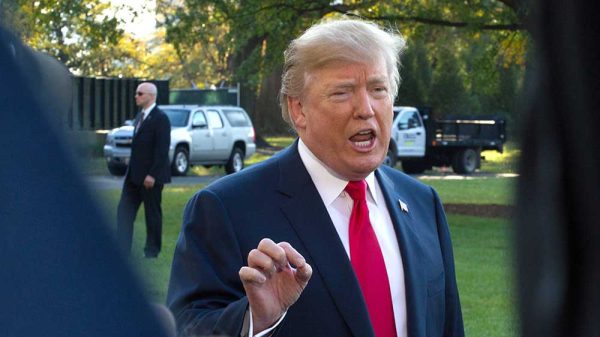
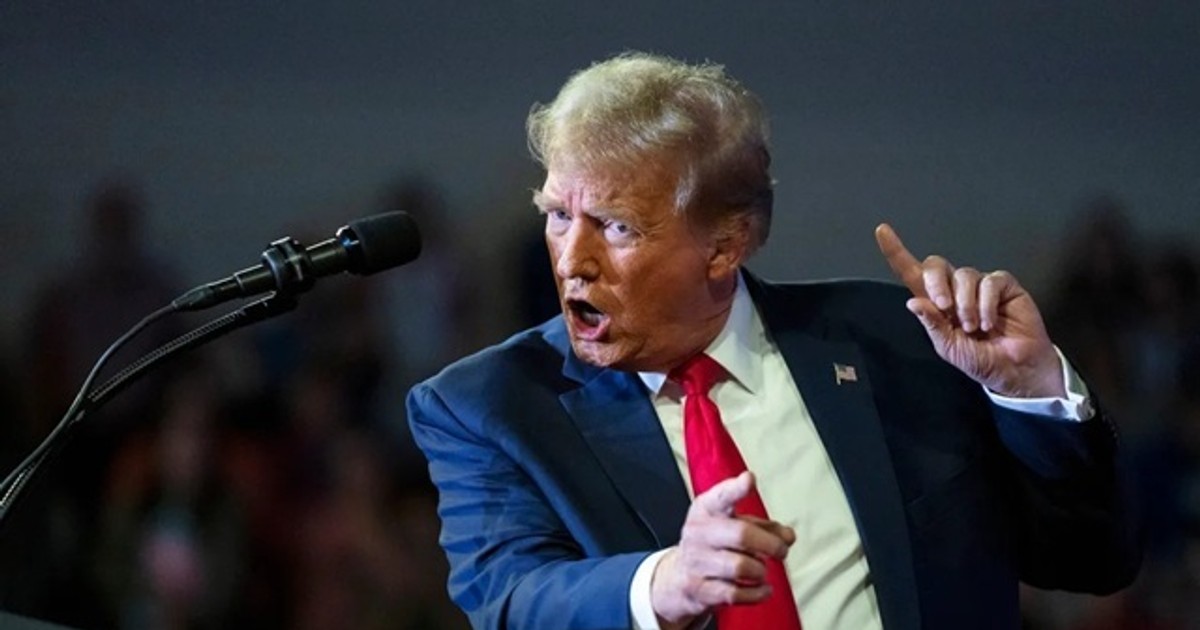
This diplomatic offensive arrives as a direct counterweight to the aggressive rhetoric coming out of Washington. President Donald Trump has repeatedly pushed for greater American control over the island, claiming it is essential for national security against Russian and Chinese expansion. His insistence that the U.S. would secure a deal regardless of local preference sparked outrage among Nordic and European leaders. Greenland Prime Minister Jens Frederik Nielsen dismissed these ambitions as fantasies, while French President Emmanuel Macron pointedly remarked that Europe prefers the rule of law over bullying tactics.
Ironically, some analysts suggest that Trump’s confrontational approach may have inadvertently helped Europe by accelerating their own security and financial investments in the North. As Brussels pushes back in the Arctic, Washington appears to be playing a very different game across the Atlantic in Africa. Moving away from the controversial language associated with his first term, President Trump has adopted a far more conciliatory and transactional tone with African leaders to ensure American access to critical minerals needed for modern technology.
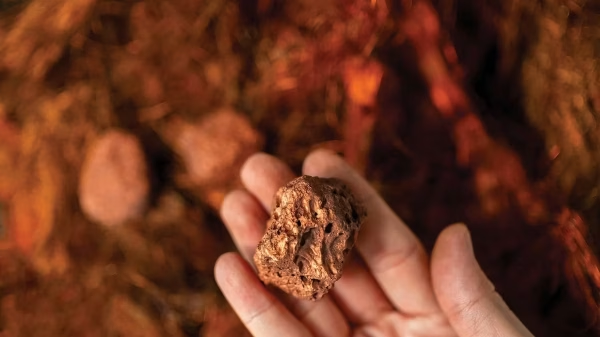
Now focusing heavily on resource wealth, the United States has brokerd significant deals in the Democratic Republic of Congo and invested hundreds of millions into infrastructure projects like the Lobito Atlantic Railway connecting Angola, Zambia, and the DRC. By courting partners in Madagascar, Kenya, and Tanzania with promises of trade rather than threats of annexation, Washington is attempting to break China’s grip on global mineral supply chains. While the U.S. uses a velvet glove in Africa, its heavy handed approach in Greenland continues to drive terms of engagement further toward Europe.