




















The Iraqi government confirmed on Saturday that recent drone strikes targeting a critical Saudi Arabian oil pipeline were launched from within its own borders. In response to the breach, Riyadh took the precautionary step of shutting down the pipeline on Friday following an initial attack the previous day. Despite the escalation, Saudi officials stated they do not intend to retaliate immediately, noting that they wish to provide Baghdad with the space and time needed to address the security failure and take appropriate corrective measures.
Baghdad acted swiftly to contain the fallout by dismissing both the military commander and the police chief in Maysan province. This region, situated along the border with Iran, has long been considered a stronghold for various Iran backed Shiite militias who often operate outside official state control. Along with these leadership changes, Iraqi authorities moved to close the primary border crossing in Maysan as they attempt to secure a volatile frontier known for hosting elements of Tehran’s regional network.
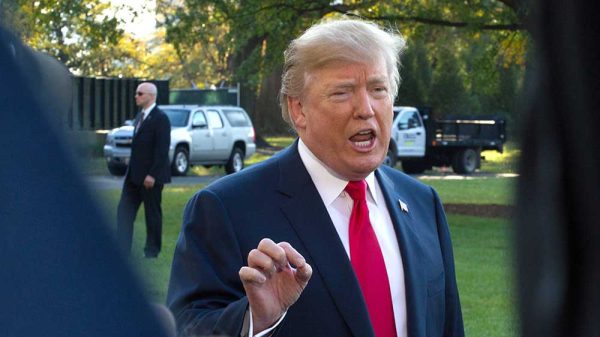
While no specific group has claimed responsibility for the strikes, suspicion has fallen on members of the Axis of Resistance, a loose coalition of proxies including those in Iraq and Yemen. The Popular Mobilization Forces have officially denied any role in the operation, yet tensions remain high as several powerful militias continue to defy orders from Baghdad to disarm by late September. Former U.S. President Donald Trump suggested that Iran was likely behind the incident, though he simultaneously noted a desire among Houthi rebels in Yemen to avoid direct confrontation with American forces despite their ongoing aggression toward Saudi interests.
This diplomatic crisis arrives at a precarious moment for Iraq, which faces mounting pressure from Washington to dismantle Iranian aligned armed groups. As a deadline for disarmament approaches alongside the planned withdrawal of U.S led coalition forces, prominent groups like Kataib Hezbollah have openly rebelled against Baghdad’s directives. These militias are demanding absolute guarantees that foreign influences will be permanently removed from Iraqi politics before they agree to surrender their weapons, leaving the country caught between sovereign obligations and internal instability.