














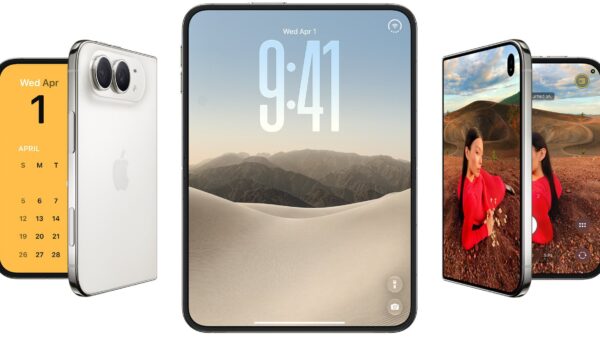
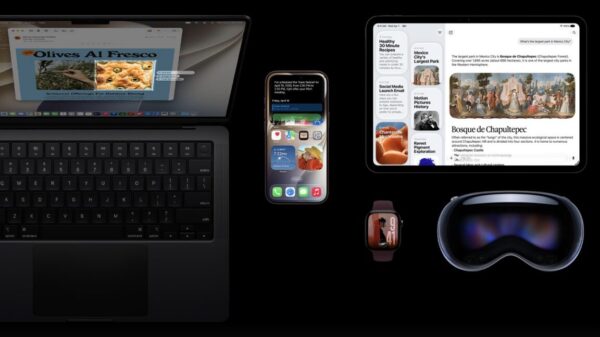






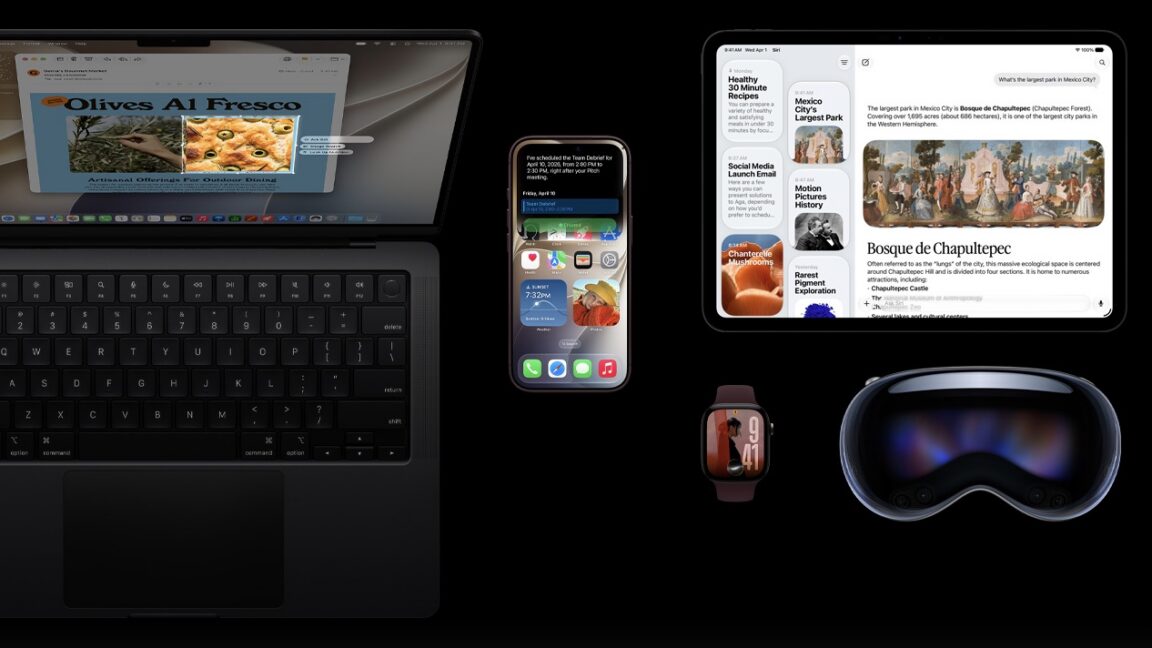
Apple has officially rolled out its suite of 2026 software updates, headlined by the launch of iOS 27 and macOS Golden Gate 27. While the release spans across watchOS, visionOS, and tvOS, the clear star of the show is the debut of Siri AI. This massive overhaul transforms the long-standing assistant into a context-aware powerhouse powered by large language models. Users can now engage in natural conversations with their devices, asking Siri to explain exactly what is appearing on their screen or to dig through years of personal emails and texts to find specific information. For those who want more control, Apple has even introduced a standalone Siri app reminiscent of tools like ChatGPT or Claude.
Under the hood, this intelligence is driven by a sophisticated hierarchy of Apple-developed models known as AFM 3. To balance privacy and power, Apple is utilizing on-device processing via AFM 3 Core for simple tasks and a larger twenty-billion parameter model for complex requests. When local hardware isn’t enough, the system seamlessly taps into more potent cloud-based versions to handle heavy lifting. Beyond basic chatting, these models allow users to generate entire Safari extensions or complex Shortcut automations simply by typing a prompt, while providing an expanded set of AI-driven photo editing tools.
While artificial intelligence takes center stage, Apple hasn’t forgotten about aesthetics. Both iOS and macOS now feature refined controls for the Liquid Glass design language, giving users a transparency slider to customize how opaque their interface appears. The Mac update in particular serves as a significant polish pass, incorporating various small design tweaks based on user feedback since Liquid Glass first debuted. Though there aren’t any radical visual departures this year, the focus remains on smoothing out the edges and perfecting the overall look and feel of the ecosystem.