
























Spain is mourning the loss of Maria del Carmen Abascal, known affectionately as Maricarmen, who passed away in a hospital on Wednesday. At 87 years old, she had unexpectedly become the face of a national uprising against Spain’s brutal housing crisis after being forcibly evicted from the Madrid apartment she had called home for seven decades. The images of the wheelchair-bound woman being carried out on a stretcher on September 23rd ignited a firestorm of public indignation, leading to massive protests and contributing to a political earthquake that forced the government to call for snap elections.
Prime Minister Pedro Sánchez joined millions in expressing his grief via social media, offering condolences to her family and acknowledging a collective sense of loss felt across the country. However, for many gathered outside Spain’s Parliament, sadness quickly turned to rage. Protesters chanted slogans declaring that while Maricarmen was gone, her fight would continue. Some expressed deep frustration that she would never see the legislative shifts or societal changes her suffering helped catalyze, with some critics arguing that the trauma of her eviction directly contributed to her decline.
The tragedy highlights a systemic failure in Spanish urban living where rents have nearly doubled over the last decade, leaving many citizens spending far more than their European counterparts on basic shelter. For Maricarmen, a retired pharmaceutical secretary who cherished her neighborhood and family memories, the struggle ended in irony. Under intense public pressure, the real estate firm that ousted her to seek higher profits eventually agreed to let her return home. But as the Madrid Tenants’ Union noted in a heartbreaking statement, this victory arrived far too late.
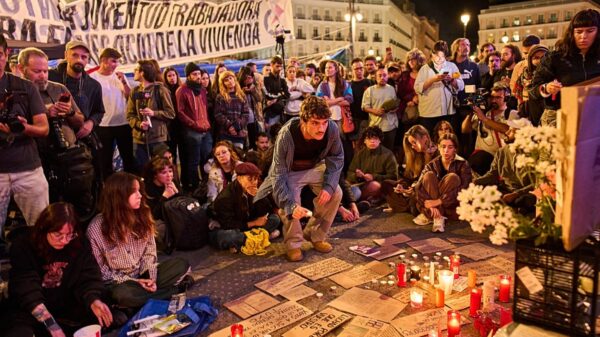
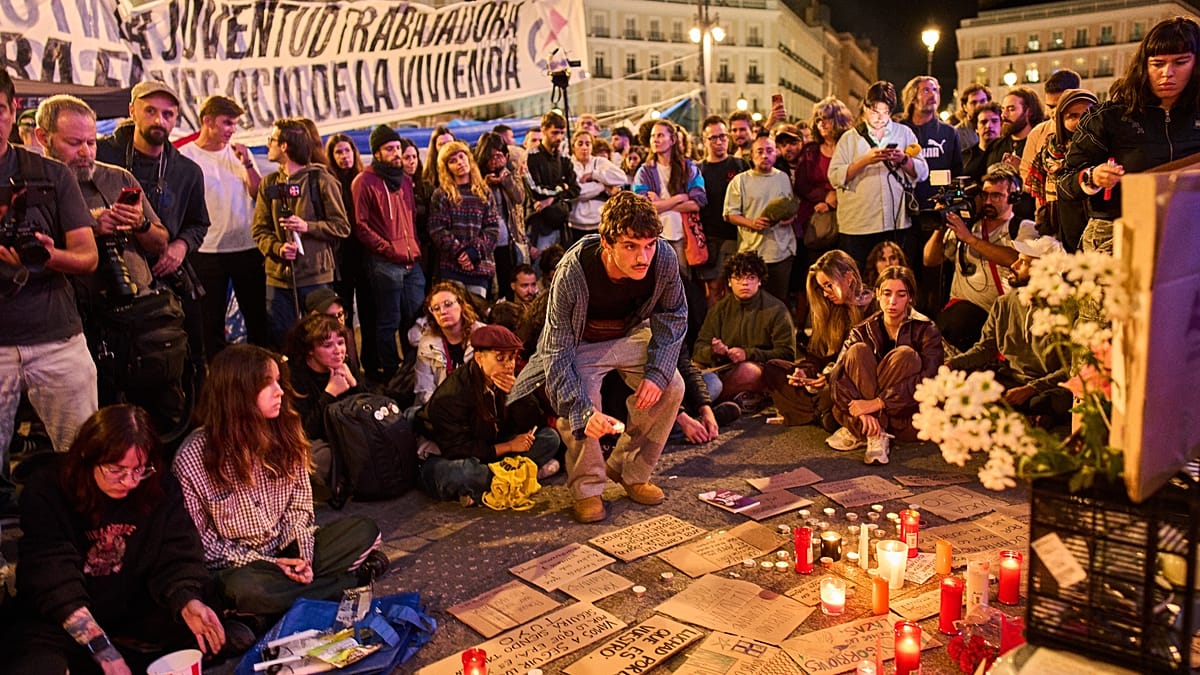
As news of her passing spread, campers in Madrid’s Puerta del Sol square observed a minute of silence for a woman who simply wanted to spend her final days surrounded by her belongings and history. Reports indicate that during her hospitalization, she clung only to black-and-white family photographs. To those who marched in her name, Maricarmen was no longer just an elderly tenant; she was a martyr for housing rights whose ordeal exposed the violent reality of displacement in modern Spain.