




















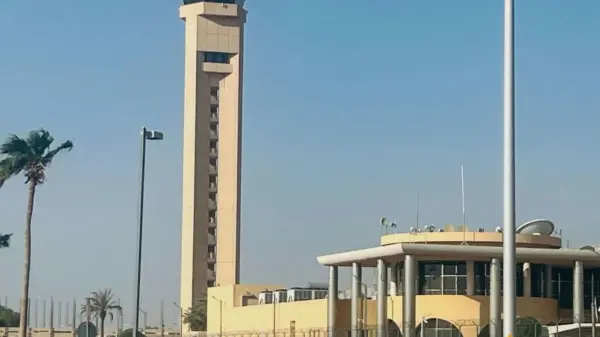




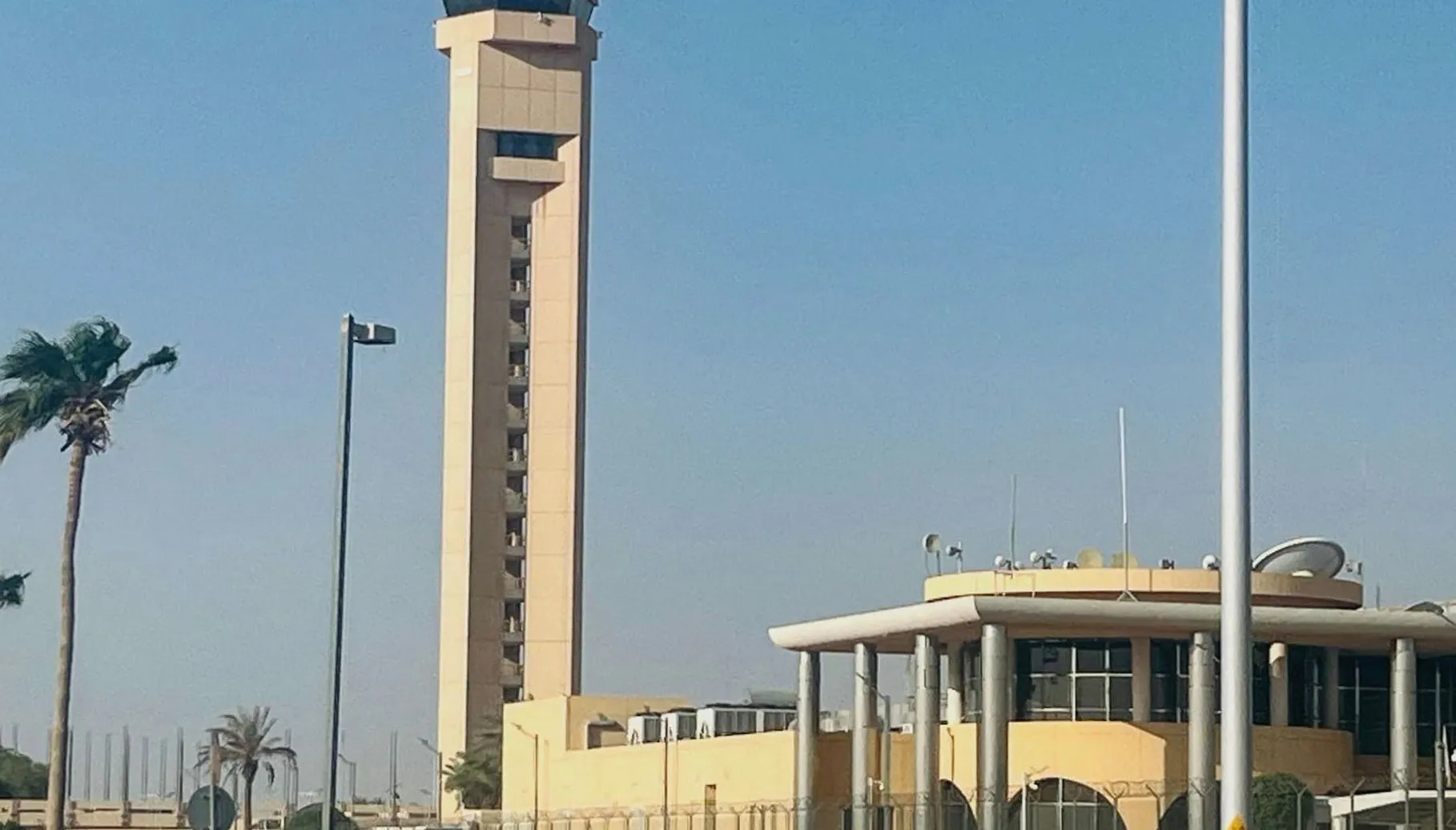
The United States government has ordered non-emergency personnel and their families to evacuate Saudi Arabia amid a surge of violent attacks by Iran aligned Houthi rebels. This sudden diplomatic withdrawal follows a series of deadly strikes on critical Saudi infrastructure, including a drone hit on the Shaybah oil field and an attack at King Fahd International Airport in Dammam that left several casualties. State Department spokesperson Tommy Pigott confirmed the evacuation orders specifically for the kingdom, though reports suggest Washington may soon extend similar measures to other regional missions as stability continues to deteriorate.
Behind the scenes, the geopolitical tension is reaching a boiling point. Reports indicate that U.S. and Israeli militaries have developed detailed blueprints for a short but intensive campaign of strikes against Iran, potentially launching after next month’s midterm elections. These proposed operations would likely focus on dismantling Tehran’s nuclear facilities, missile arsenals, and energy infrastructure. While Defense Secretary Pete Hegseth recently held secret meetings with Prime Minister Benjamin Netanyahu to refine these plans, President Donald Trump has so far resisted returning to major combat this year, leaving the future of the operation uncertain.
Despite ongoing negotiations regarding Tehran’s nuclear ambitions and maritime security in the Strait of Hormuz, Iran has responded to the pressure with threats of its own. Officials in Tehran have warned they may expand their offensive capabilities to target global data centers and underwater internet cables should hostilities escalate further. This volatility is already rippling through global markets, pushing Brent crude prices above 110 dollars a barrel as investors worry about prolonged instability in one of the world’s most vital energy corridors.
Adding another layer of complexity is China’s growing desperation for stable oil supplies. With Chinese crude inventories hitting historic lows due to wartime disruptions, Beijing is aggressively seeking alternative sources to replace Iranian imports blocked by U.S. sanctions. Analysts note that while oil flows through the Strait of Hormuz have partially recovered, any significant expansion of the conflict into direct strikes on Iranian soil could trigger a massive price spike and disrupt refinery output across Asia just as demand begins to climb again.