
























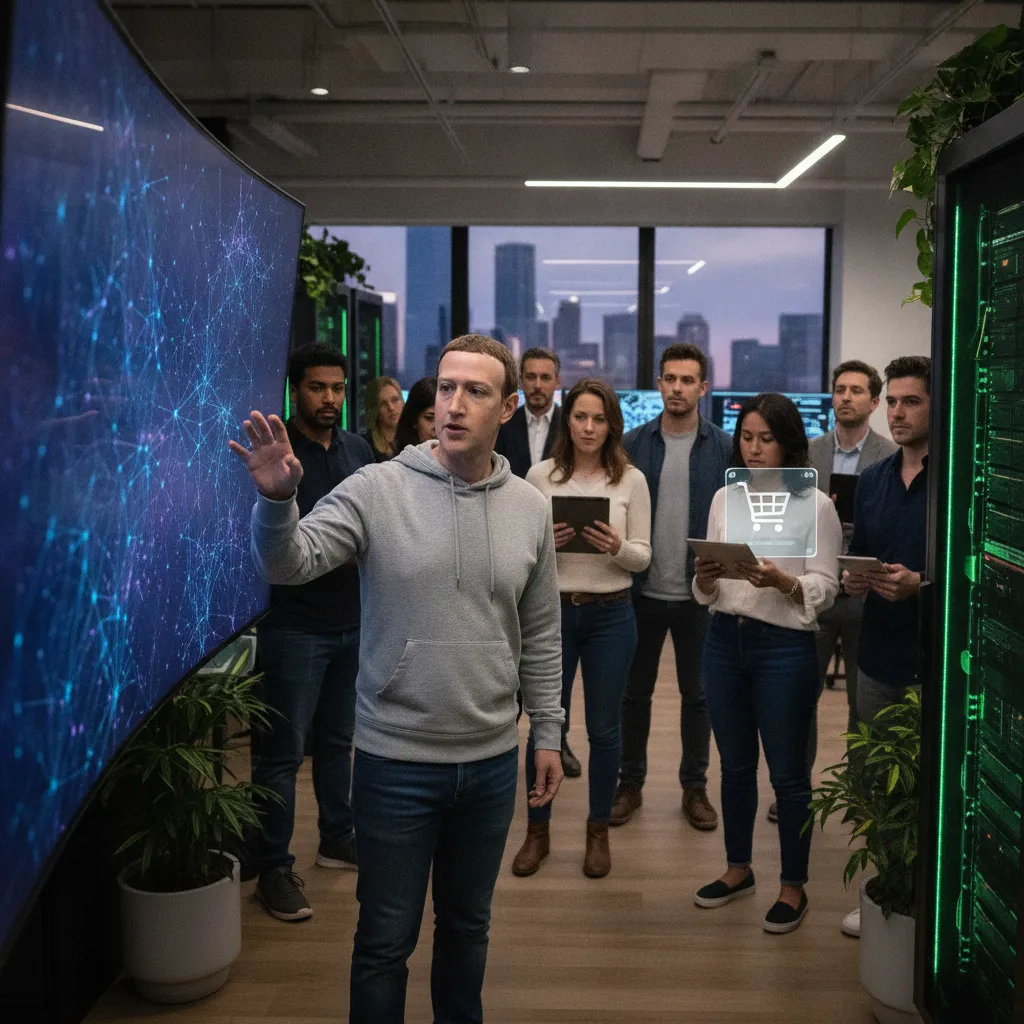
Meta surged ahead in the third quarter, reporting revenue of 64.60 billion dollars, comfortably beating analyst expectations and marking a twenty six percent increase from a year ago. This financial momentum appears largely tied to the company’s aggressive pivot toward artificial intelligence. CEO Mark Zuckerberg highlighted the successful launch of Muse and Muse Wonder, noting that their AI personal assistants have already seen rapid adoption. According to Zuckerberg, shopping has emerged as the most popular use case for these tools, with millions of users in North America utilizing the technology for high value purchases.
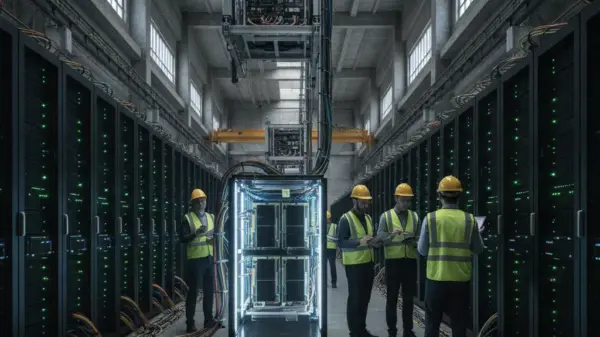
However, the road to an AI future remains expensive. While the core advertising business thrives, Meta’s Reality Labs continues to bleed cash, posting a staggering four point thirteen billion dollar loss this quarter against just under four hundred and fifty million dollars in sales. To support this transition, Meta is narrowing its focus on massive infrastructure investments, projecting annual capital expenditures between 135 billion and 145 billion dollars to build out the data centers necessary to power its next generation of models.
Internally, the company is still feeling the effects of recent restructuring efforts. Chief Financial Officer Susan Li confirmed that Meta’s workforce shrank by twelve percent this quarter down to sixty six thousand employees following broad layoffs over the summer. Beyond staffing changes, investors are eyeing a planned introduction of non voting Class C common stock coming in early 2027, a move designed to fund growth while maintaining Zuckerberg’s control over the firm’s strategic direction.
Adding a layer of personal drama to the corporate update, Meta disclosed that Mark Zuckerberg may relocate his primary residence away from California. The potential move stems from concerns over Proposition 40, a proposed wealth tax that could leave him liable for billions of dollars based on his stock holdings. As the social media giant navigates these regulatory hurdles and hardware setbacks, its overall trajectory remains buoyed by an appetite for AI integration across Facebook and Instagram.