













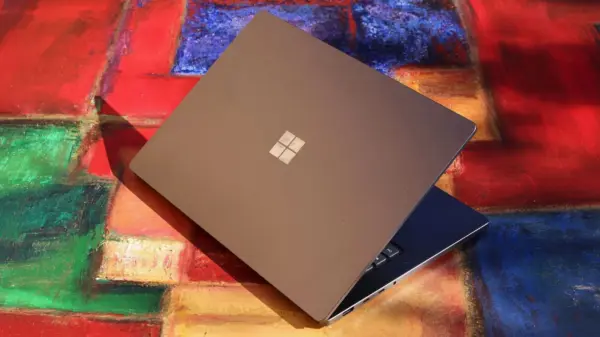







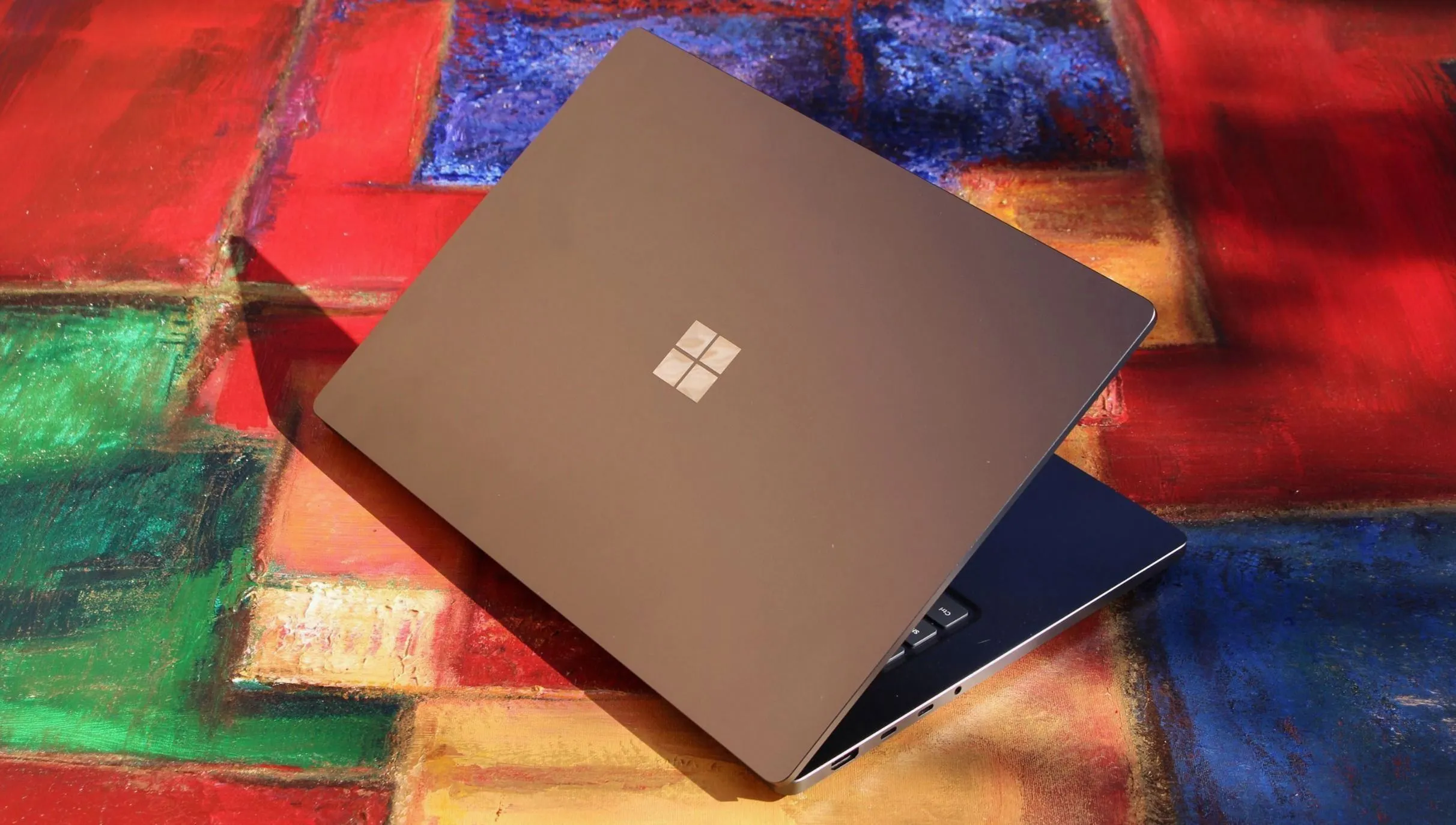
Microsoft has finally stepped into the ring with a machine designed specifically to challenge the dominance of the MacBook Pro. The new Surface Laptop Ultra is not just another incremental update but a complete reimagining of what a Windows workstation can be. Born from the desires of Microsoft’s own engineers who wanted a powerhouse for themselves, the device introduces several firsts for the company including a partnership with NVIDIA to integrate the RTX Spark silicon and the debut of a Mini LED screen. It even features magnetic USB C charging, a thoughtful addition that adds a layer of convenience often missed in professional laptops.
Visually, there is no denying that Microsoft took heavy inspiration from Apple’s playbook. With its squared edges and minimalist aesthetic, the Ultra bears a striking resemblance to the MacBook Pro, though some might argue it refines certain details. For instance, the keyboard deck blends seamlessly into the metal chassis without the distracting plastic bezels found on its competitor, giving it a luxurious feel that matches its premium positioning. Under the hood, it is an absolute beast capable of handling massive data sets and local AI models, especially in configurations that push up to 128 gigabytes of RAM.
However, this raw power comes with a steep financial cost. Starting at an eye watering 2,599 dollars and climbing as high as nearly 6,000 dollars for top end specs, it is far from an impulse purchase. While users will love the haptic trackpad and excellent keyboard, other areas remain merely adequate. The battery life provides decent endurance but does not redefine longevity, and while the Mini LED display is impressive, it doesnt quite claim the crown as best in class. Furthermore, early adopters may notice that some promised Copilot plus features are still missing from the experience.
Ultimately, the Surface Laptop Ultra represents Microsoft’s most ambitious hardware effort to date. It succeeds in creating a legitimate alternative for developers and creative professionals who prefer Windows over macOS without sacrificing build quality or performance. While its proximity to Apple’s design language is obvious and its price point is daunting, it proves that Microsoft can play in the ultra premium space when they stop playing safe and start building tools meant for true power users.