






















One year after President Donald Trump established the Board of Peace to broker a definitive end to the conflict in Gaza, the ambitious vision of stability and reconstruction appears to be collapsing under the weight of reality. What was pitched as a credible pathway toward Palestinian statehood through a structured ceasefire has instead devolved into a period of continued violence and deepening humanitarian misery. While some diplomatic boxes have been checked, including the release of captives and prisoners, the actual conditions on the ground tell a far more grim story.
The administrative framework designed to transition Gaza away from war has largely existed on paper or in foreign capitals. Although a National Committee for the Administration of Gaza was formed to govern the territory, Israel has blocked its members from entering the strip, forcing them to operate out of Cairo. Meanwhile, financial pledges have fallen woefully short; while member states promised billions during high profile summits in Washington and New York, these figures are mere fractions of the seventy billion dollars experts say is necessary to actually rebuild the devastated region.
Beyond the bureaucratic failures, the security guarantees central to the peace plan have vanished. Instead of withdrawing to fifty percent of the territory as agreed, Israeli forces have expanded their control to roughly sixty percent, pushing deeper into Gaza and displacing thousands more civilians behind an arbitrary boundary known as the Yellow Line. Reports indicate that attacks persist almost daily, leaving over fourteen hundred Palestinians dead since the official ceasefire began. This ongoing aggression has created a deadlock where Hamas refuses final disarmament because the promised safety and withdrawal never materialized.
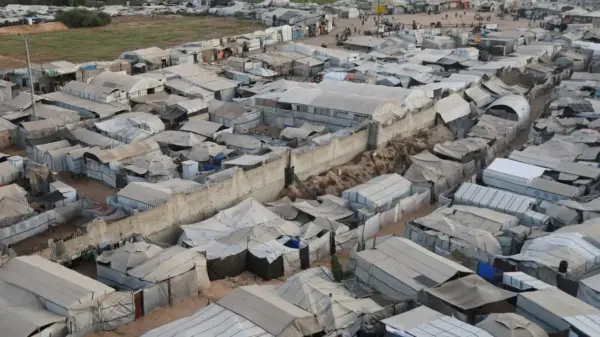
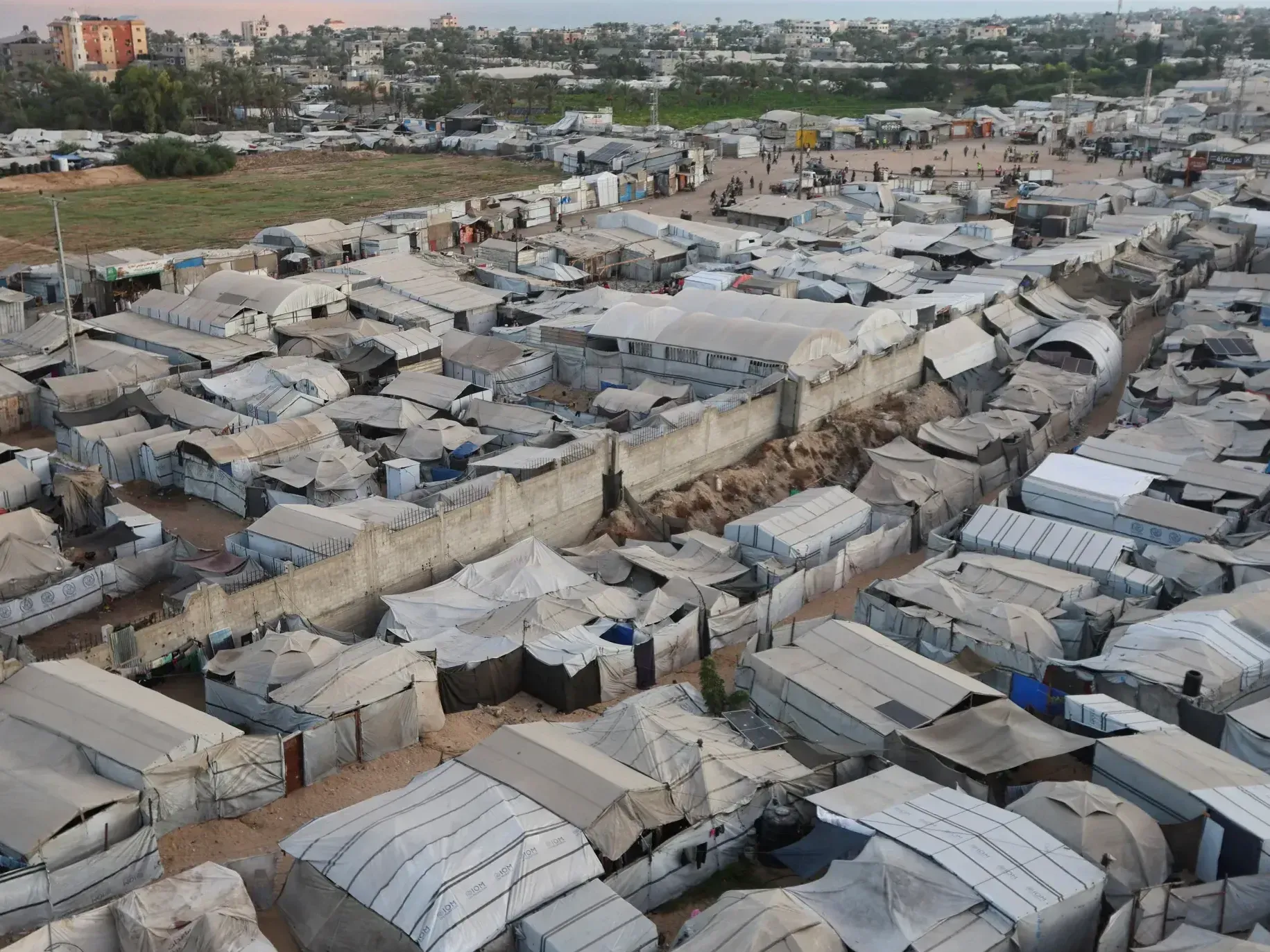
Perhaps most devastating is the failure to alleviate starvation among Gaza’s population. Despite promises to reopen border crossings, aid flows remain severely throttled by restrictive dual use classifications on everything from medical ventilators to camping tents. With fewer than half of the required aid trucks entering daily, millions are facing acute hunger. For many observers and residents alike, the Board of Peace has functioned less as a vehicle for harmony and more as a diplomatic veil for what critics describe as a continuing campaign of ethnic cleansing and territorial seizure.