














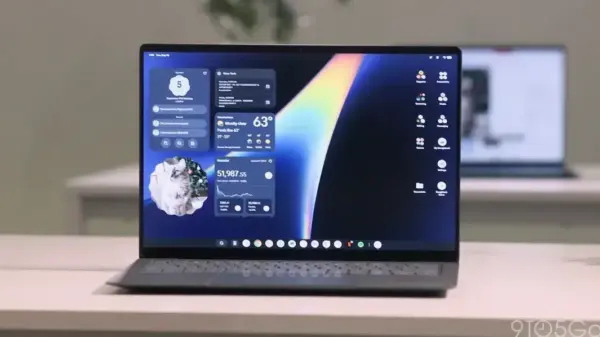









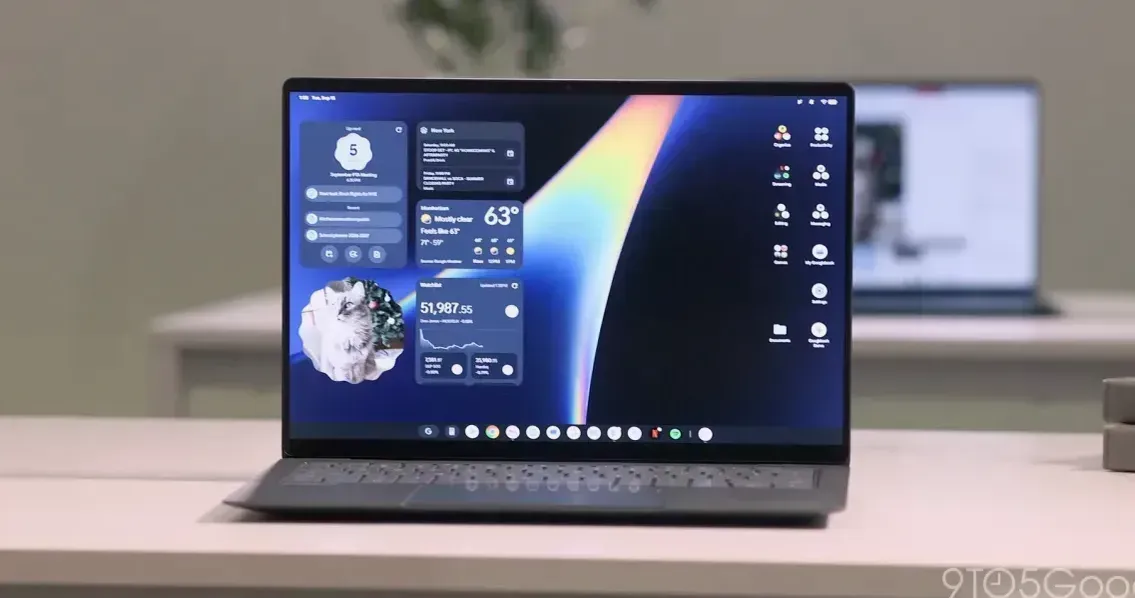
Google has admitted that its latest fleet of Intel powered Googlebooks may face occasional stability issues when running more demanding Android applications. While the transition of Android apps to ChromeOS was always expected to be smoother on ARM based hardware, the persistence of these hurdles suggests that the fundamental difference between x86 and ARM architectures continues to pose a challenge for seamless integration.
In a recent statement provided to Android Authority, Google clarified that while most software should function without issue, certain complex games and high performance apps may experience hiccups on Intel machines. This gap exists because the majority of the Android ecosystem was built specifically for ARM chips, meaning a select few sophisticated programs require manual tuning by developers to operate efficiently on Intel silicon.
To address these discrepancies, Google claims it is collaborating closely with Intel, Qualcomm, and various third party developers to refine performance and broaden compatibility across its device lineup. These efforts come at a critical time, as much of the initial wave of Googlebook hardware from brands like Lenovo, Asus, and Acer relies heavily on Panther Lake generation Intel processors.
While users opting for Dell or HP models can rely on the Snapdragon X Elite chip for native ARM compatibility, those choosing Intel variants may find themselves waiting for optimization patches before their favorite heavy duty apps run perfectly. Despite these technical friction points, Google maintains that the vast majority of users will see smooth performance right out of the box as they begin adopting the new operating system.