























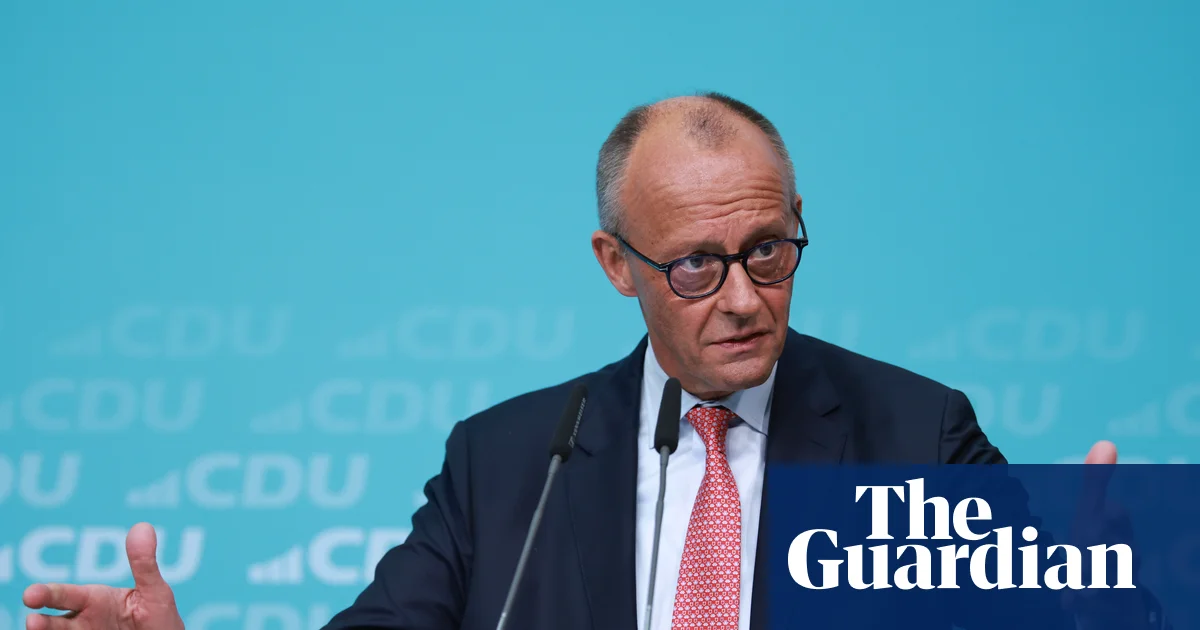
German Chancellor Friedrich Merz finds himself fighting for his political survival as voters in Berlin and Mecklenburg-Western Pomerania head to the polls this Sunday. Coming on the heels of a devastating loss in Saxony-Anhalt, where the far-right Alternative für Deutschland achieved its best regional result to date, these elections are being viewed as a referendum on Merz’s leadership. With his personal approval ratings plummeting to ten percent, any further erosion of support for his conservative Christian Democratic Union could trigger a leadership crisis or even spark discussions about snap elections long before the scheduled 2029 vote.
The stakes are particularly high in Mecklenburg-Western Pomerania, where the CDU faces the genuine possibility of recording its first single digit result in seventy five years. If the party fails to clear the five percent threshold for parliamentary representation, it would be an unprecedented disaster in the postwar era. Meanwhile, in Berlin, the contest remains volatile as residents grapple with skyrocketing rents and housing shortages. While the AfD is not expected to take control of either state, their continued momentum suggests they are successfully tapping into widespread economic anxiety and frustration over deindustrialization.
Despite mounting pressure from within his own ranks and repeated calls for his resignation, Merz has remained defiant. He recently canceled a trip to the United Nations General Assembly in New York, stating that his presence is required at home during this critical window. The chancellor insists he intends to fulfill his four year mandate and push forward with a suite of economic reforms designed to revive Europe’s largest economy. However, critics argue that broken promises regarding growth and a failure to curb the rise of the AfD have left him fundamentally weakened.
As polling stations open across the two regions, analysts suggest that the probability of a CDU internal revolt has risen significantly. Economic headwinds, including surging petrol prices and fierce competition from China in the automotive sector, have fueled voter anger that transcends simple immigration concerns. While tens of thousands have taken to the streets in protest against the far right, it remains unclear if this surge of civic alarm will translate into enough votes to save Merz from a potentially fatal electoral blow this weekend.