













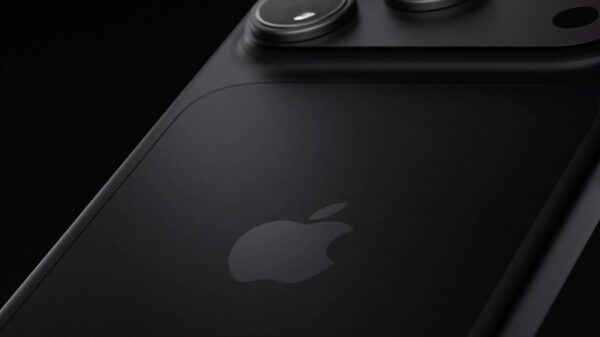
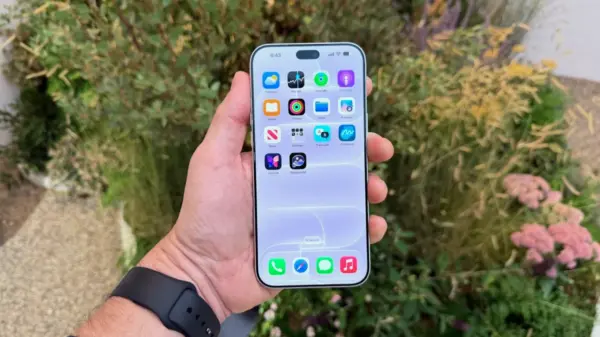








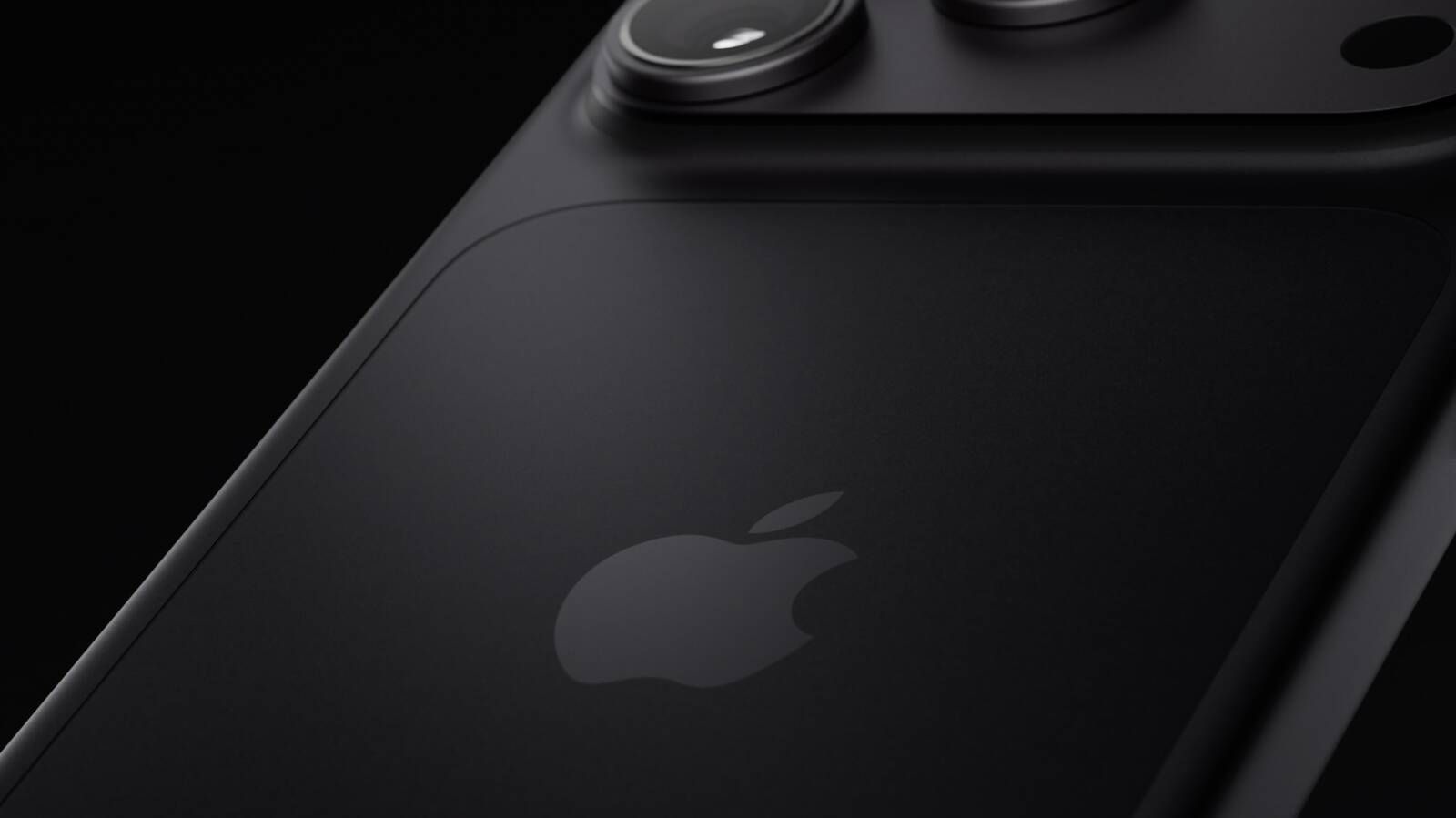
Apple has quietly updated its technical specifications to reveal a surprising discrepancy in the hardware powering its newest flagship phones. While the iPhone 18 Pro features the company’s own C2 cellular modem globally, the high end iPhone 18 Pro Max tells a different story depending on where it is purchased. According to updated spec sheets and internal iOS 27 code discovered by tech analysts, the U.S. version of the Pro Max is the sole outlier, utilizing a Qualcomm modem instead of Apple’s proprietary silicon.
The move highlights Apple’s ongoing and complex struggle to migrate away from Qualcomm’s connectivity technology. The C2 chip represents the third generation of Apple’s in house modems, promising significantly faster upload speeds and a fifteen percent reduction in power consumption compared to earlier versions. By integrating these chips into most of its lineup including the foldable iPhone Duo, Apple is making strides toward total hardware independence, though the U.S. market remains a lingering exception for its largest phone this year.
Industry observers suggest that this specific regional difference may be more about legal obligations than technical limitations. Since Qualcomm had previously agreed to supply Apple with modems through 2026, some believe that equipping American Pro Max units with a Snapdragon chip allows Apple to honor those contractual terms while still rolling out its own tech elsewhere. This ensures that U.S. users still receive critical support for ultra fast mmWave 5G, a feature that took several generations for Apple’s internal modems to perfect.
While Apple has not provided an official explanation for why only one model in one specific region differs, enthusiasts are already preparing for head to head comparisons. As real world benchmarks emerge over the coming weeks, testers will likely determine whether there is any perceptible difference in signal strength or battery life between the homegrown C2 chip and the likely Snapdragon X85 found in domestic handsets. For now, it appears Apple is taking a cautious hybrid approach as it nears the finish line of its long term goal to control every piece of silicon inside its devices.