









Gold and silver prices have experienced one of their most savage corrections in decades.
After hitting a record high of close to US$5,600 per ounce in the last week of January, the price of gold took a dramatic U-turn on January 30, dropping as low as US$4,400 in early morning trading on Monday (February 2).
That’s a loss of more than 21 percent in a very short timespan.
Silver is also on this rollercoaster trend. As per usual, the white metal slid even harder than gold, dropping from an all-time high of more than US$120 per ounce to a low of about US$71 on Monday, a steep 35 percent drop from its peak.
As the trading day progressed, gold and silver prices demonstrated stabilization with slight rebounds; however, volatility remains the name of the game as investors take time to decipher what the shift means for precious metals markets.
Let’s look at the primary driver for the shakeup in gold and silver prices and what it may mean for investors.
Trump’s Fed chair nomination calms risk-off sentiment
Precious metals are a complex market, and prices are driven by a myriad of factors.
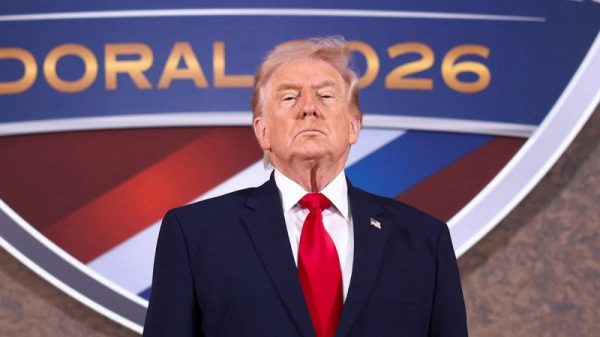
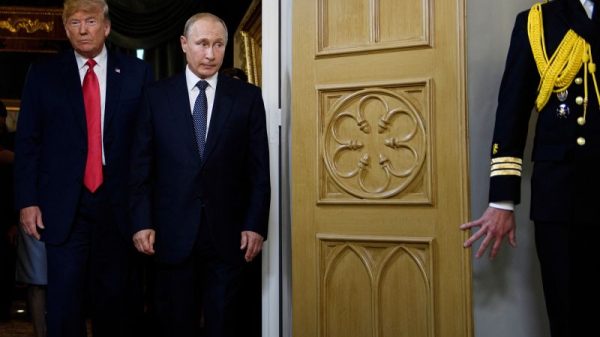
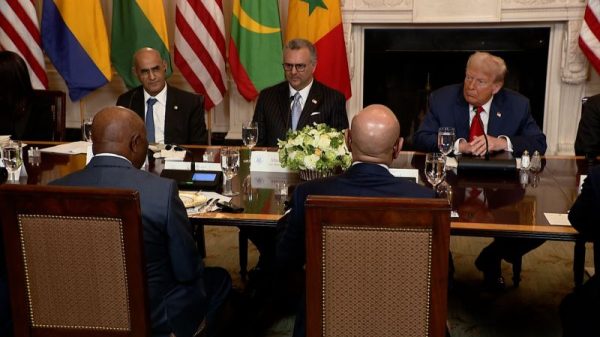
For this latest price movement, the biggest trigger was US President Donald Trump’s nomination of Kevin Warsh, a former Federal Reserve governor, to replace Jerome Powell as the next Fed chair.
Powell, whose term expires this coming May, has faced heavy criticism and targeted legal attacks from the Trump administration, which wants the Fed to cut interest rates in a hurry.
For months now, market participants have been piling into gold on the belief that Trump would try to use his position to nominate a puppet dove as Fed chair and push for greater influence over monetary decisions.
If that were to occur, it would not only undermine Fed independence, but looser policy decisions could in turn further weaken the US dollar on the global stage and lead to higher inflation.
Such an environment is price positive for safe-haven assets such as gold and silver. But with the more hawkish Kevin Warsh as the nominee, the belief is that swift rate cuts aren’t necessarily on the table.
“His focus on real-time data and fundamentals could bring much-needed modernization to the Fed’s framework, at a time when investors are seeking transparency and credibility in monetary policy.”
That shared sentiment among investors led the US dollar to strengthen sharply. The precious metals and US dollar share an inverse relationship — as gold and silver are typically priced in US dollars, a stronger dollar makes purchasing them much more expensive for foreign buyers. This leads to lower demand and downward pressure on prices.
Will gold and silver prices recover?
Does the largest correction in decades mean the party’s over for gold and silver prices?
It’s more likely to be a healthy correction in an otherwise strong bull market for precious metals. Don’t forget that one policy event does not foretell the complete collapse of the strong fundamentals underlying the gold and silver markets. There is still a very strong case for the precious metals bull market given the high demand for gold from central banks and institutional investors. And industrial demand for silver is still expected to eclipse available mine supply.
Not to mention, there’s still optimism that the Fed will need to lower rates to deal with the nation’s ever-growing mountain of debt — which could become impossible to service at higher rates.
“Our view remains that structural forces continue to support a lower-rate environment, which should be constructive for risk assets. We remain focused on fundamentals and are positioning client portfolios accordingly,” stated Hulick.
For those investors still optimistic that gold and silver are in the early stages of a bull market cycle, this rundown in gold and silver prices may represent a buying opportunity.
Securities Disclosure: I, Melissa Pistilli, hold no direct investment interest in any company mentioned in this article.